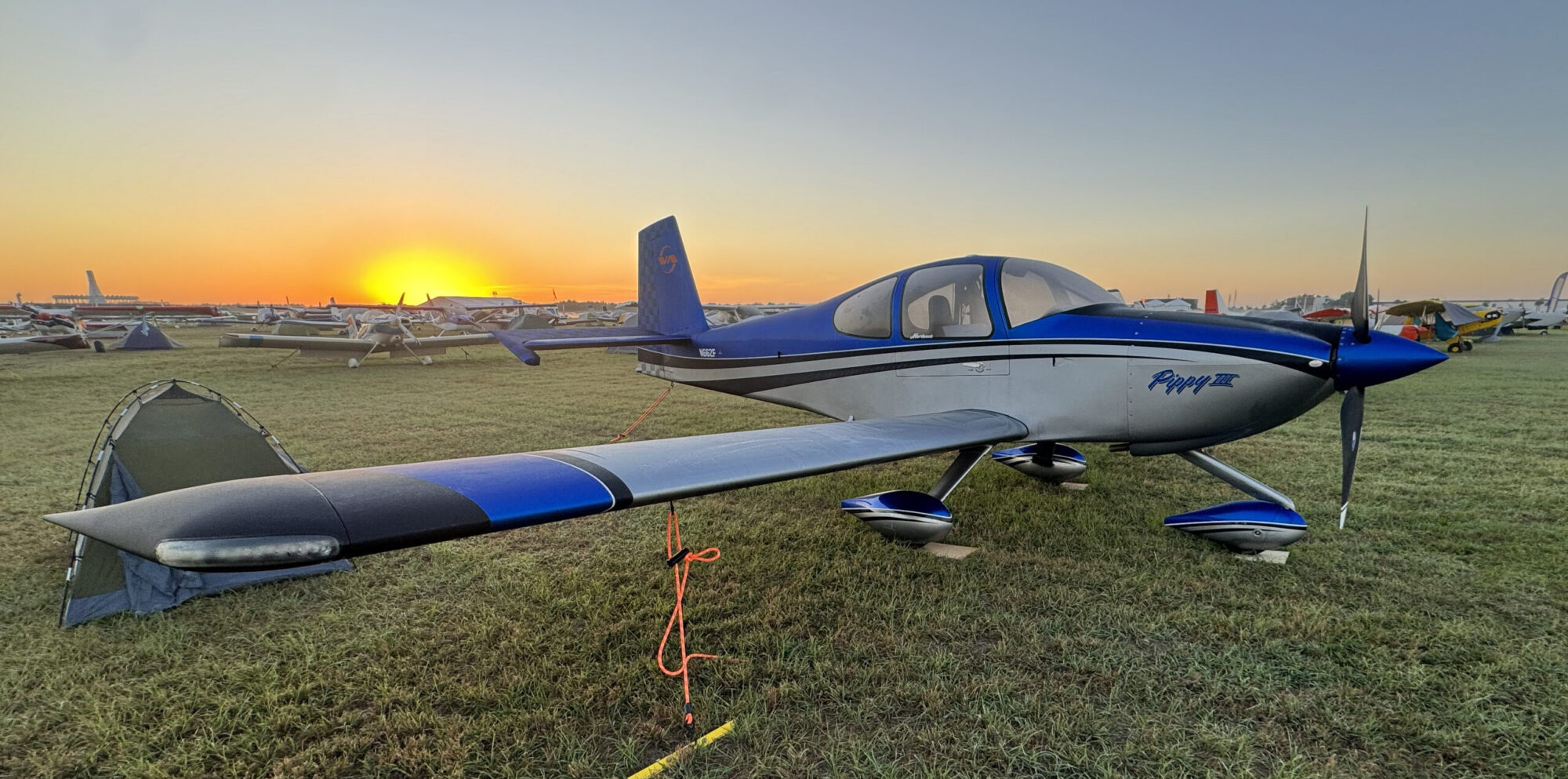
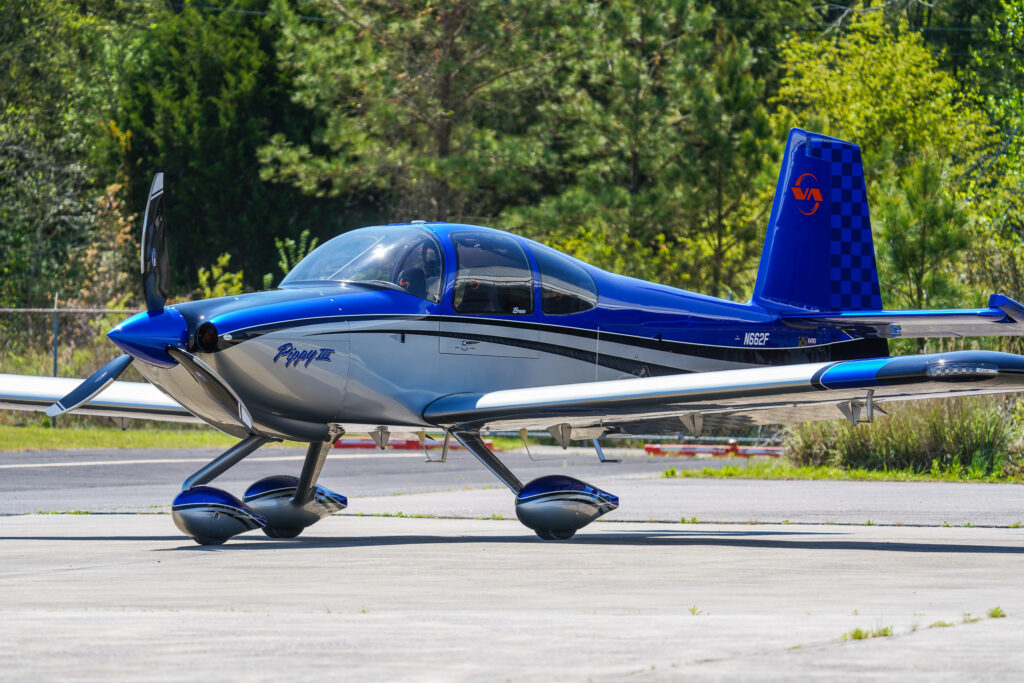
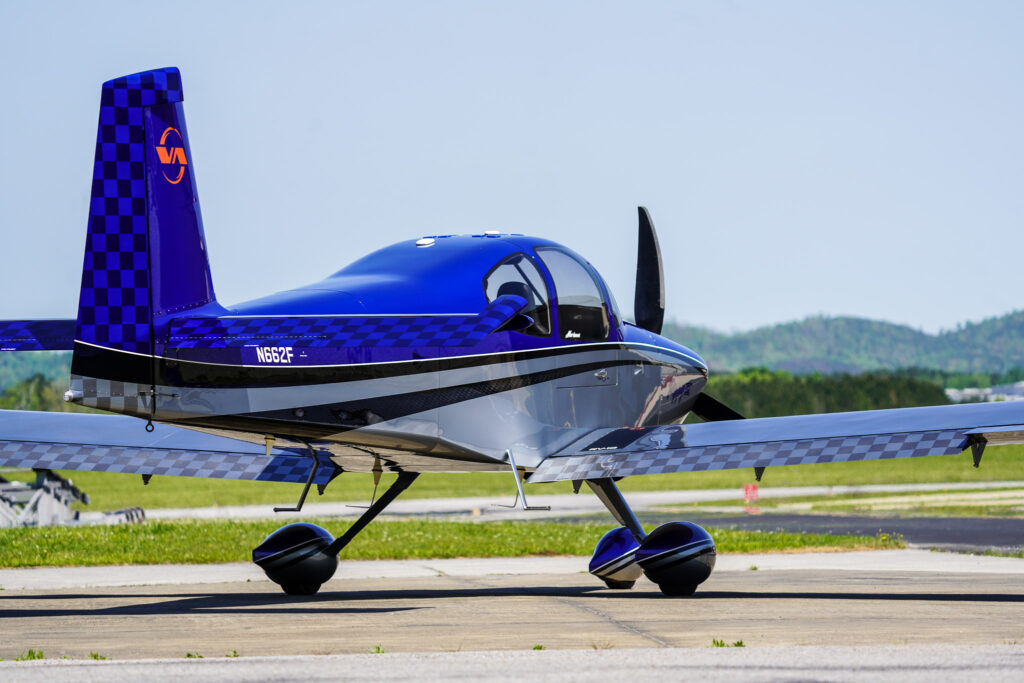
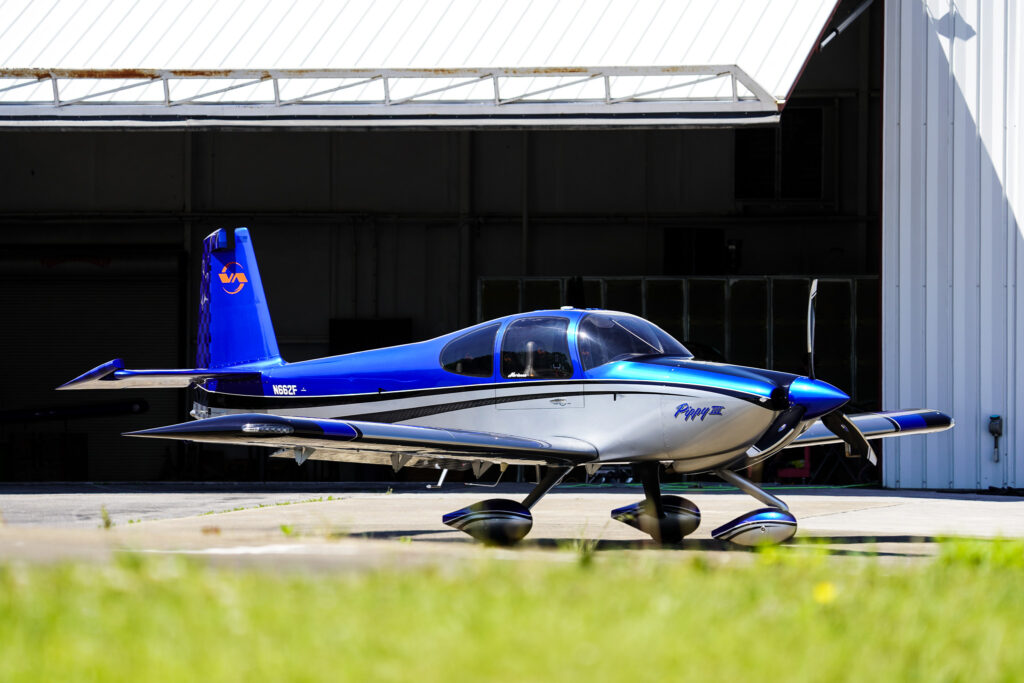
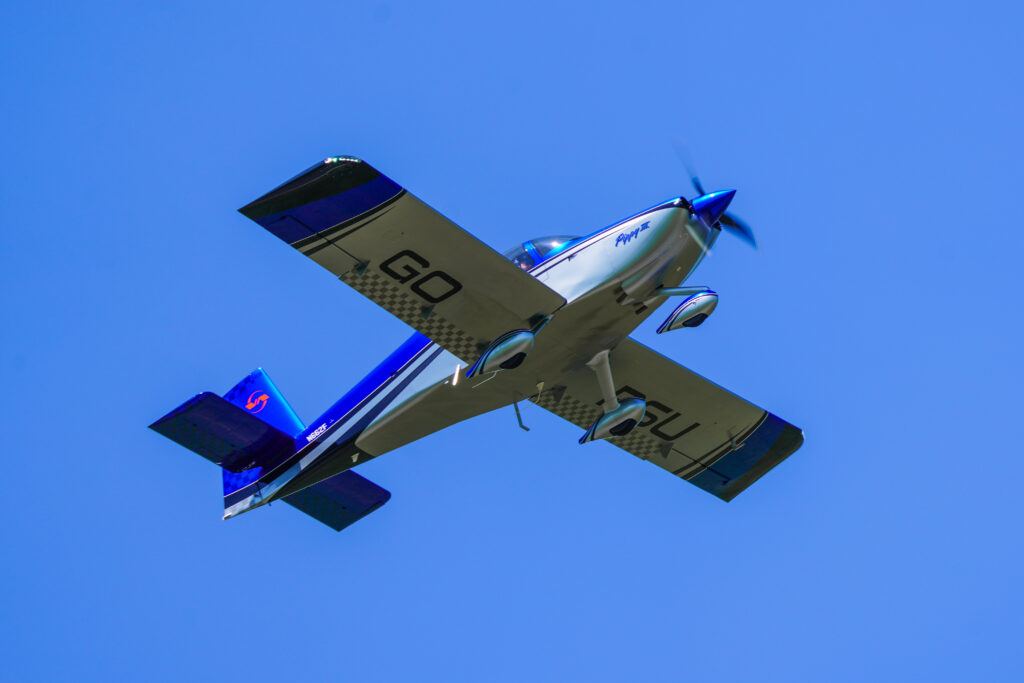
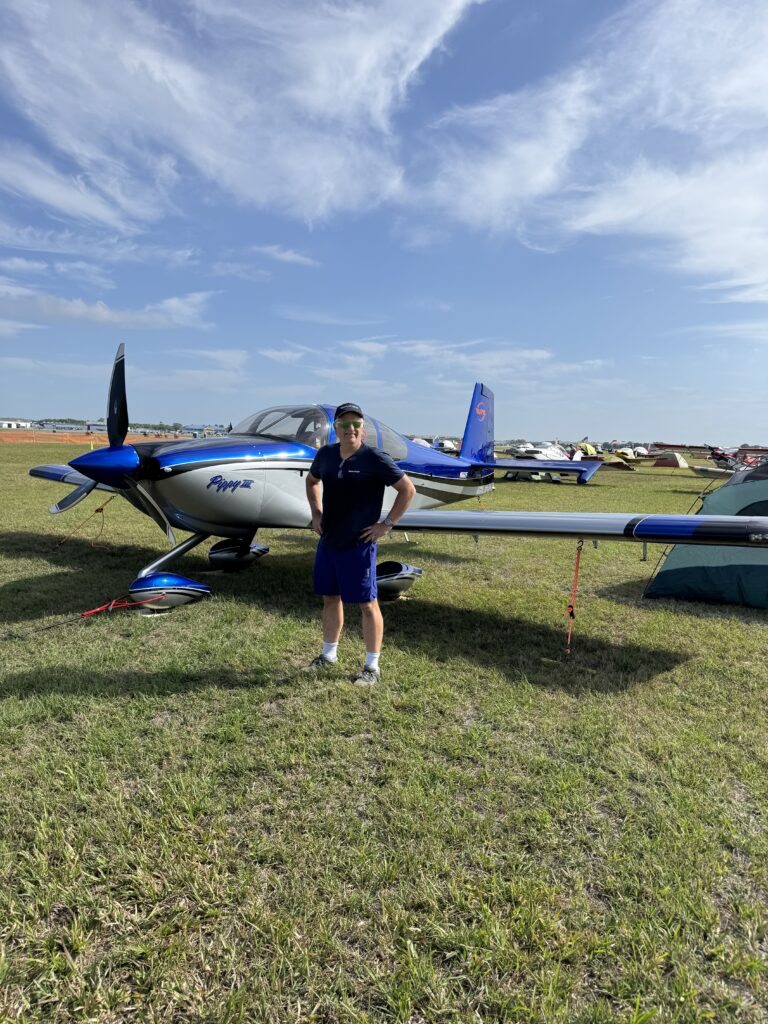
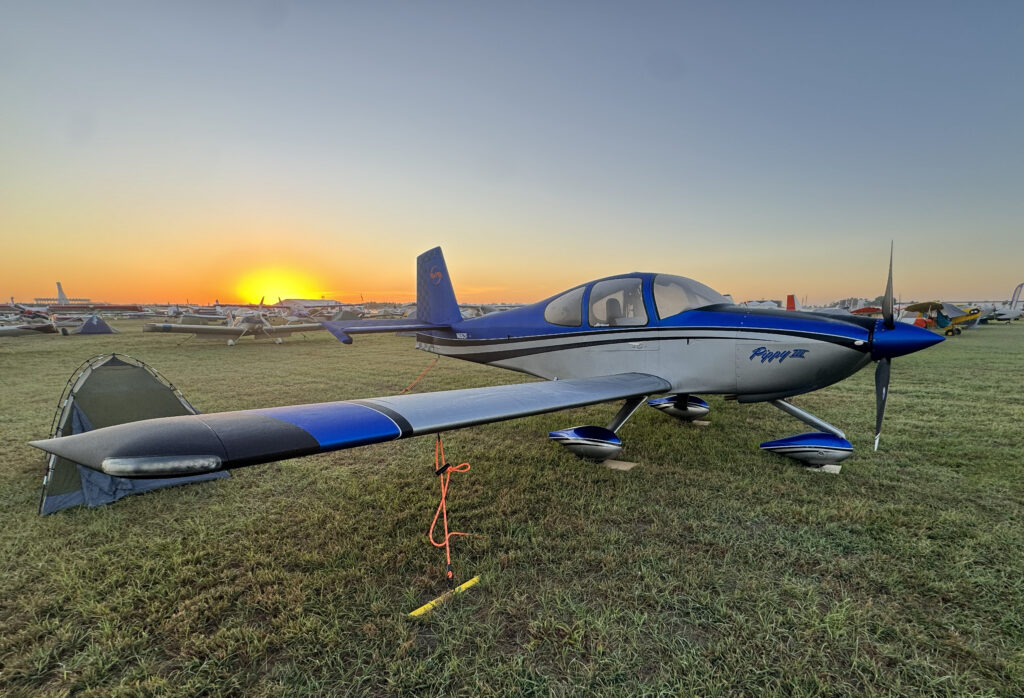
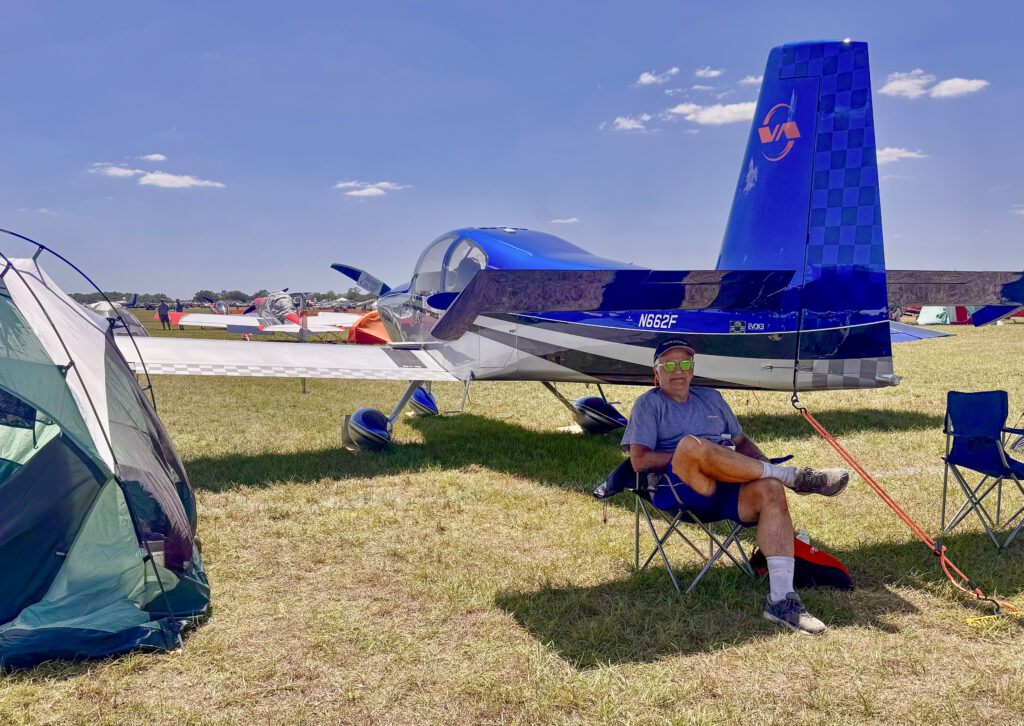
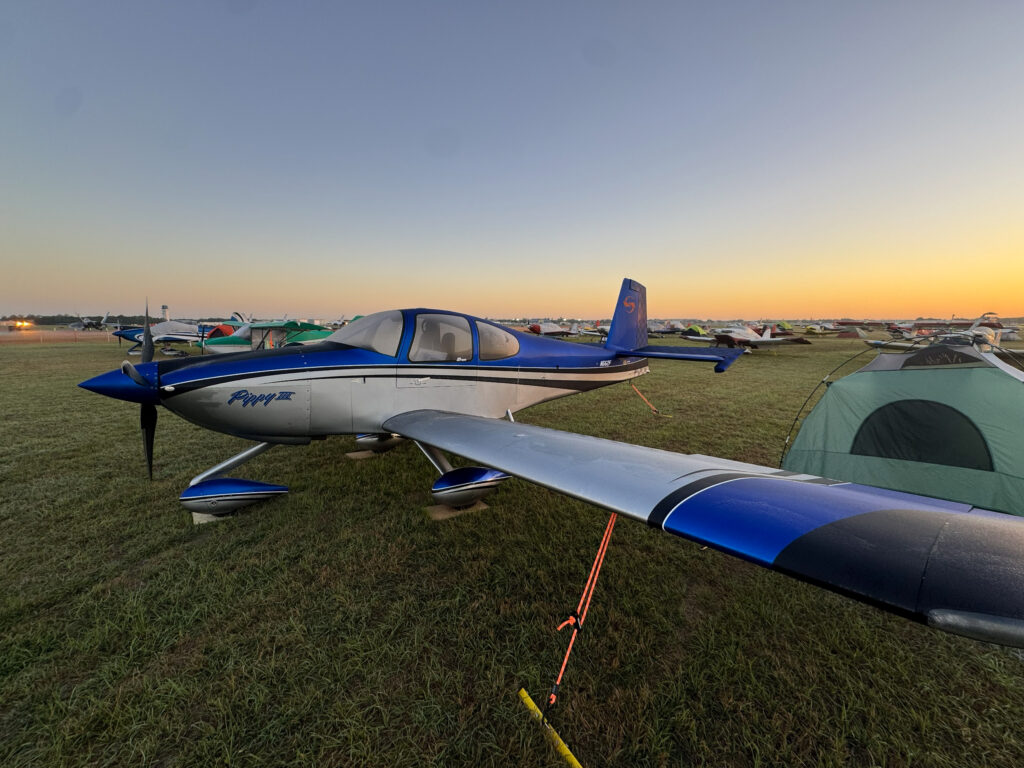
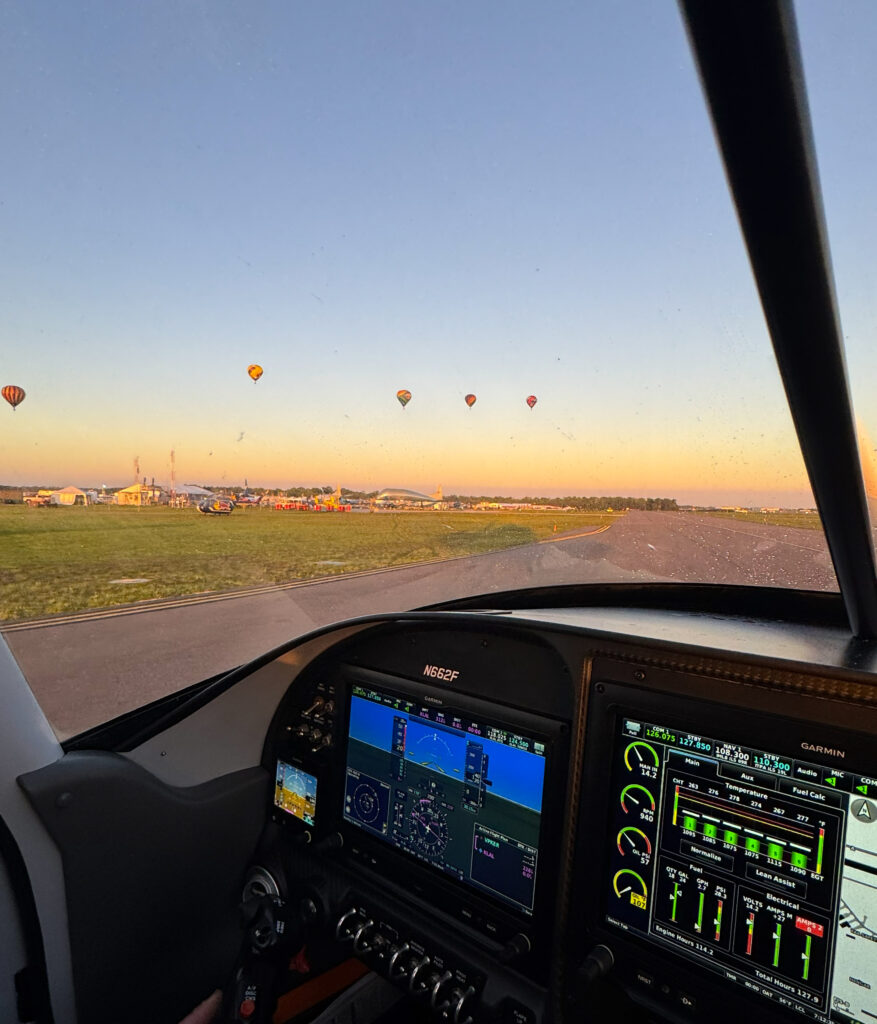
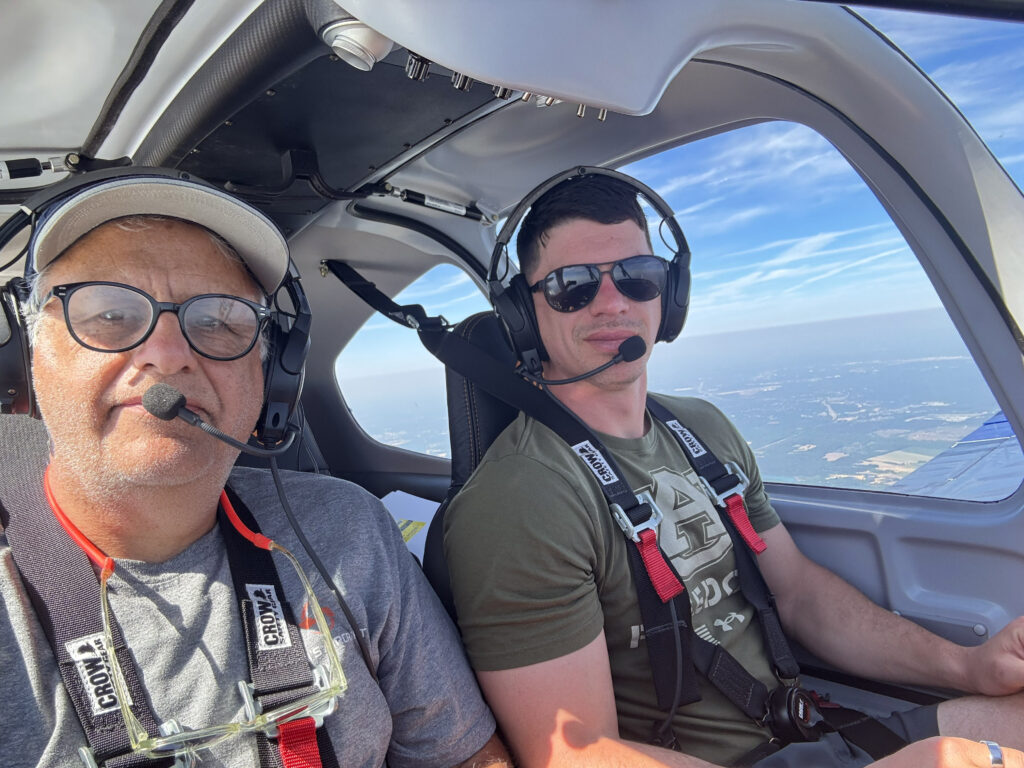
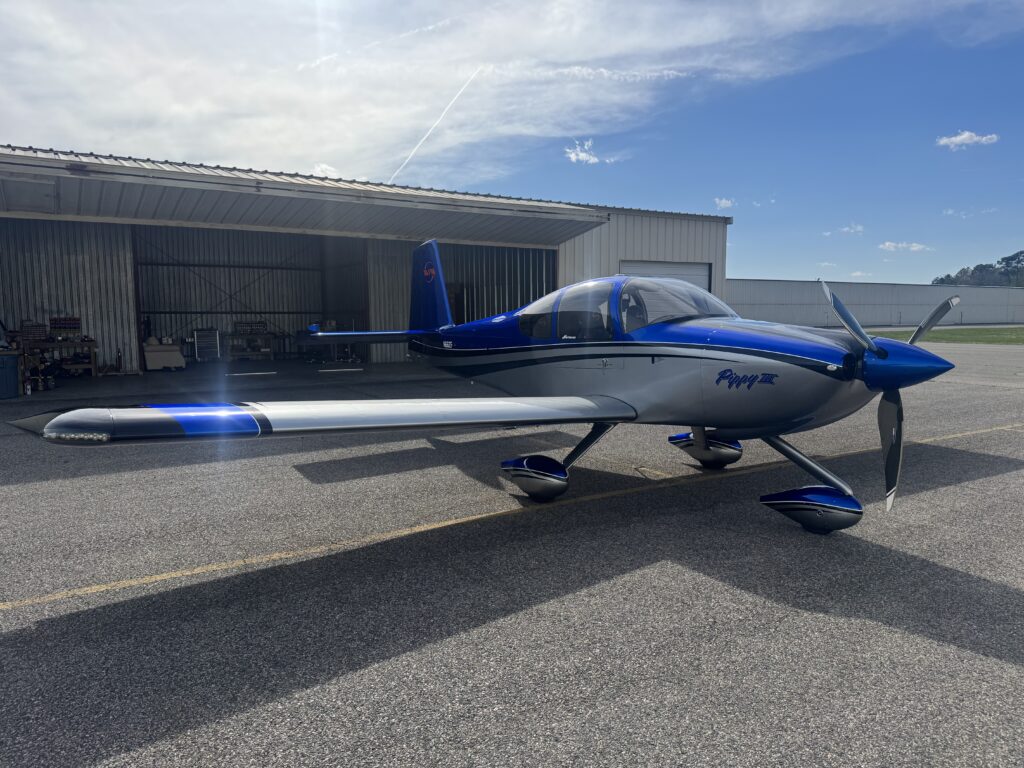
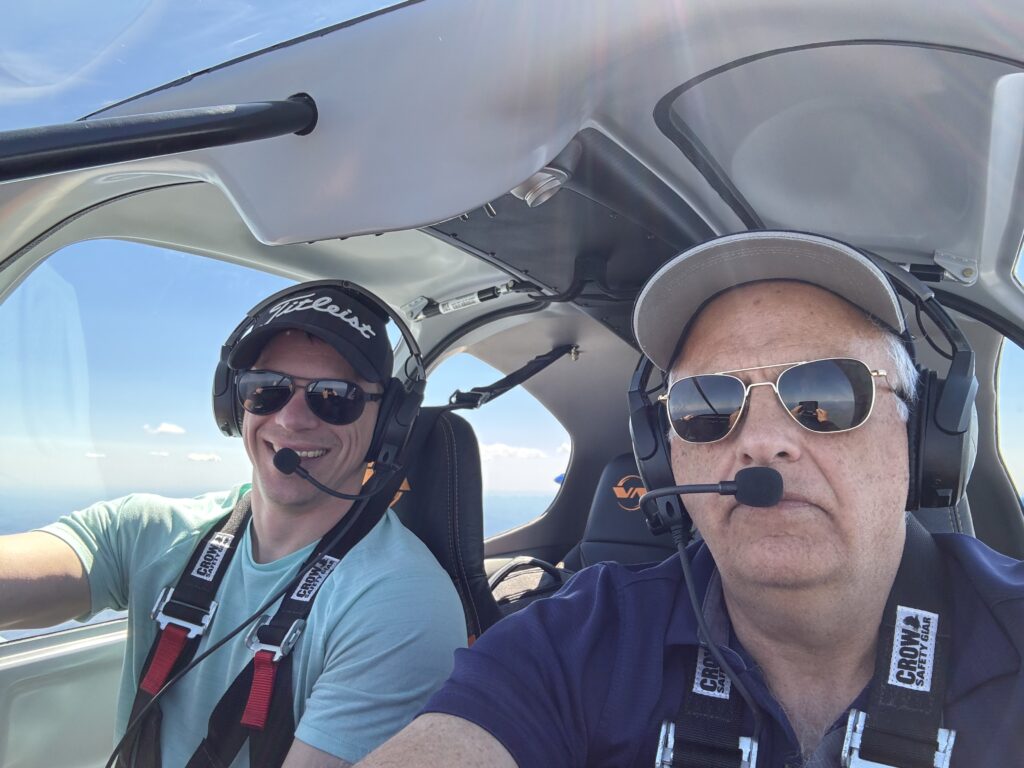
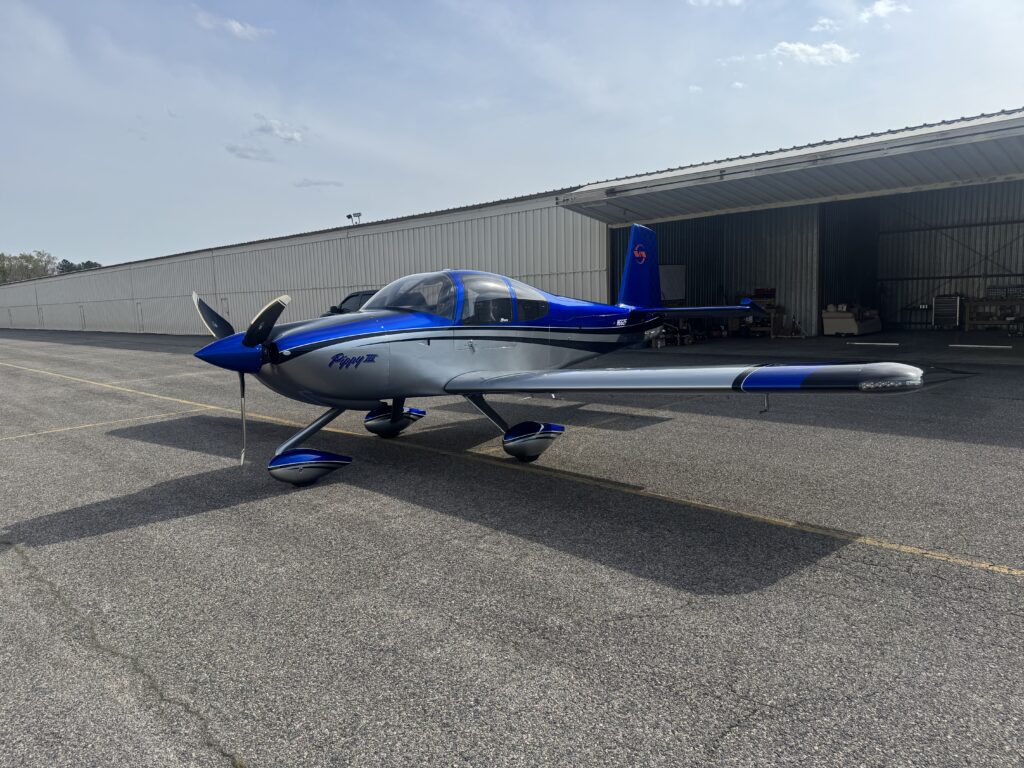
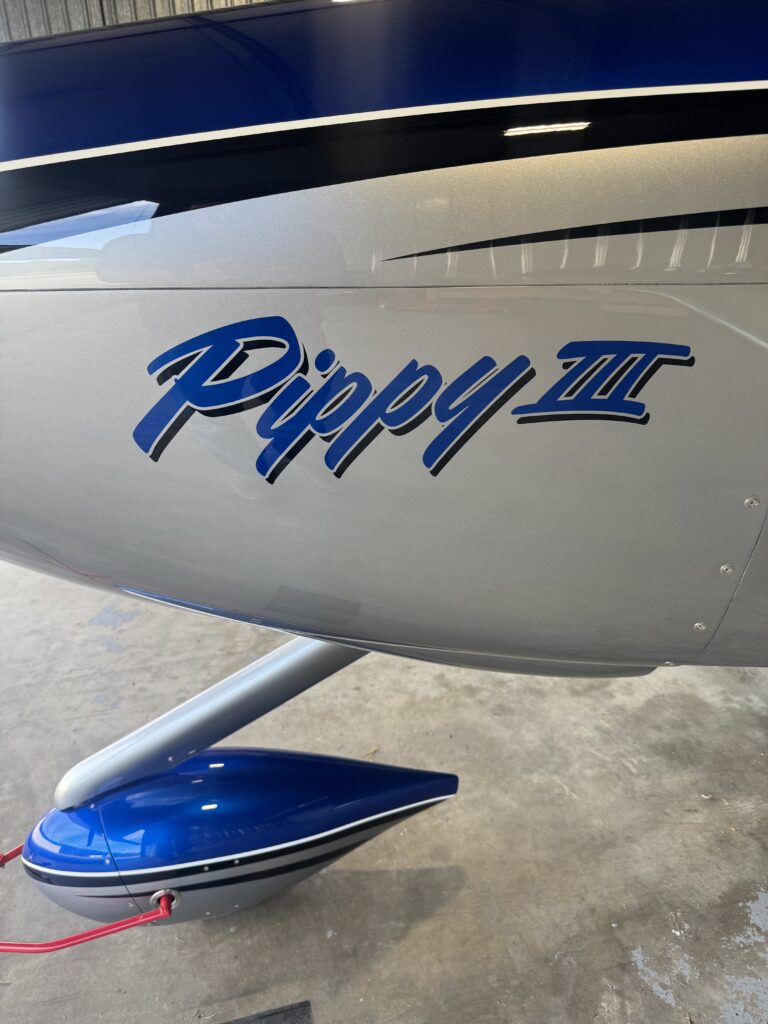
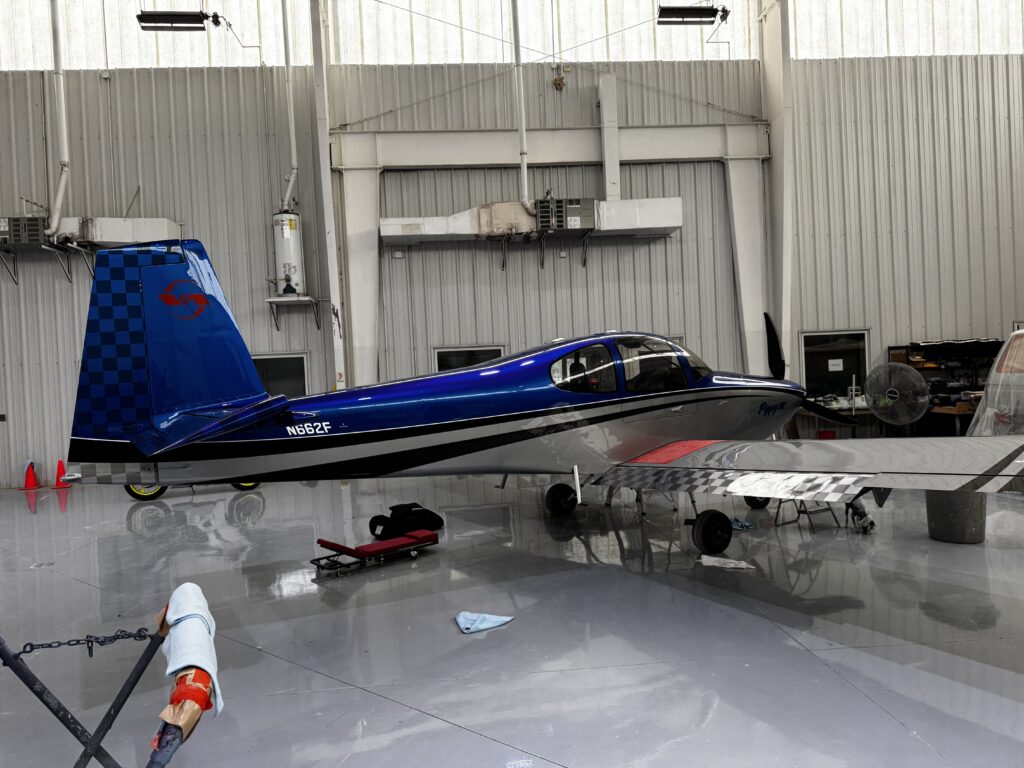
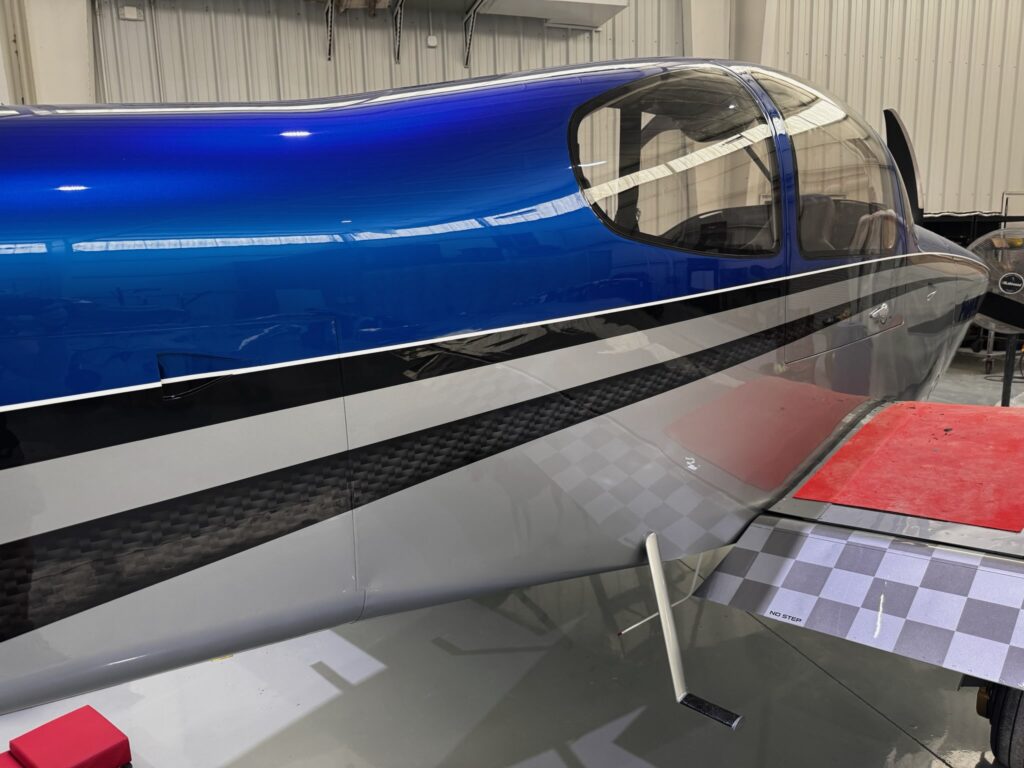
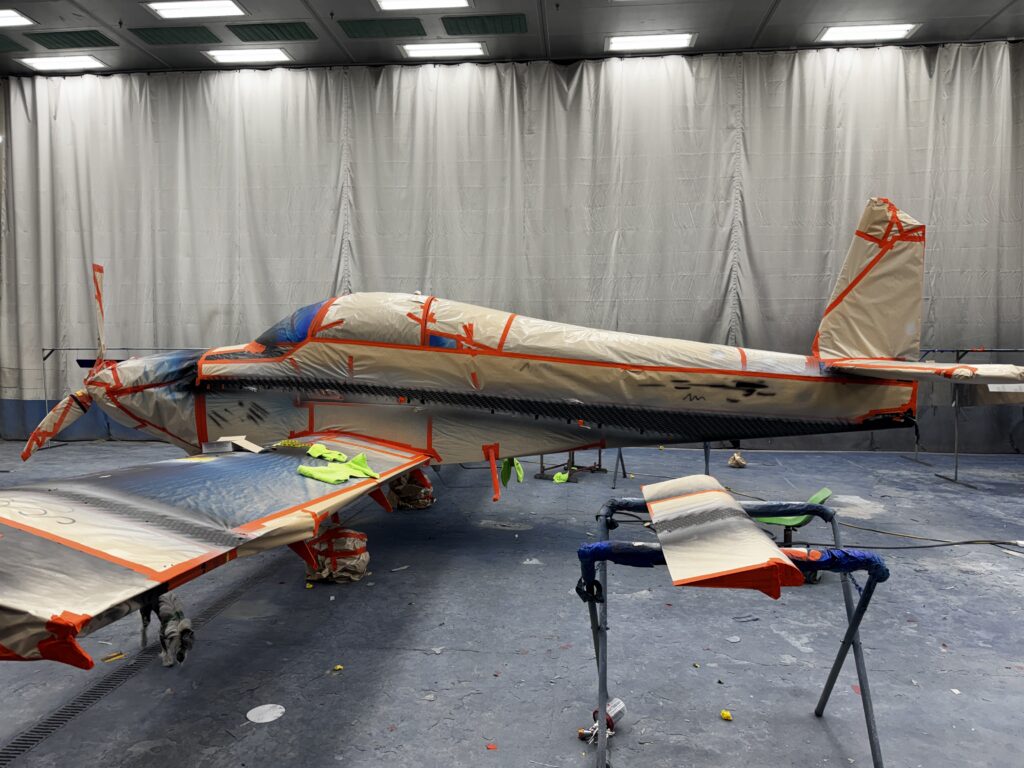
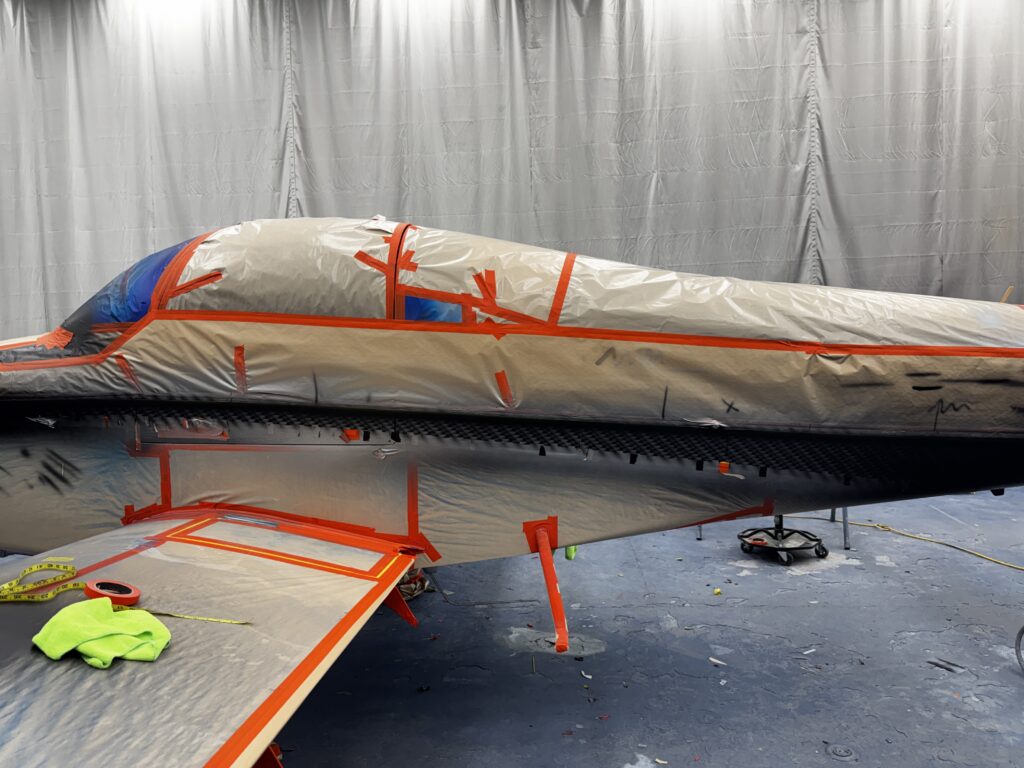
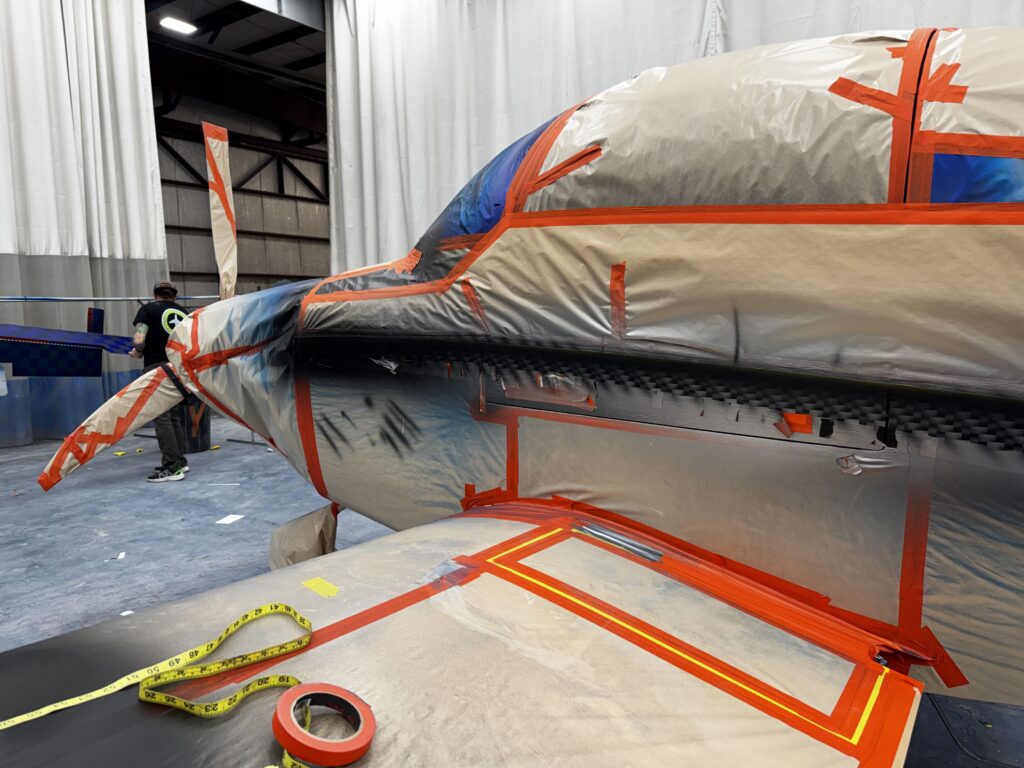
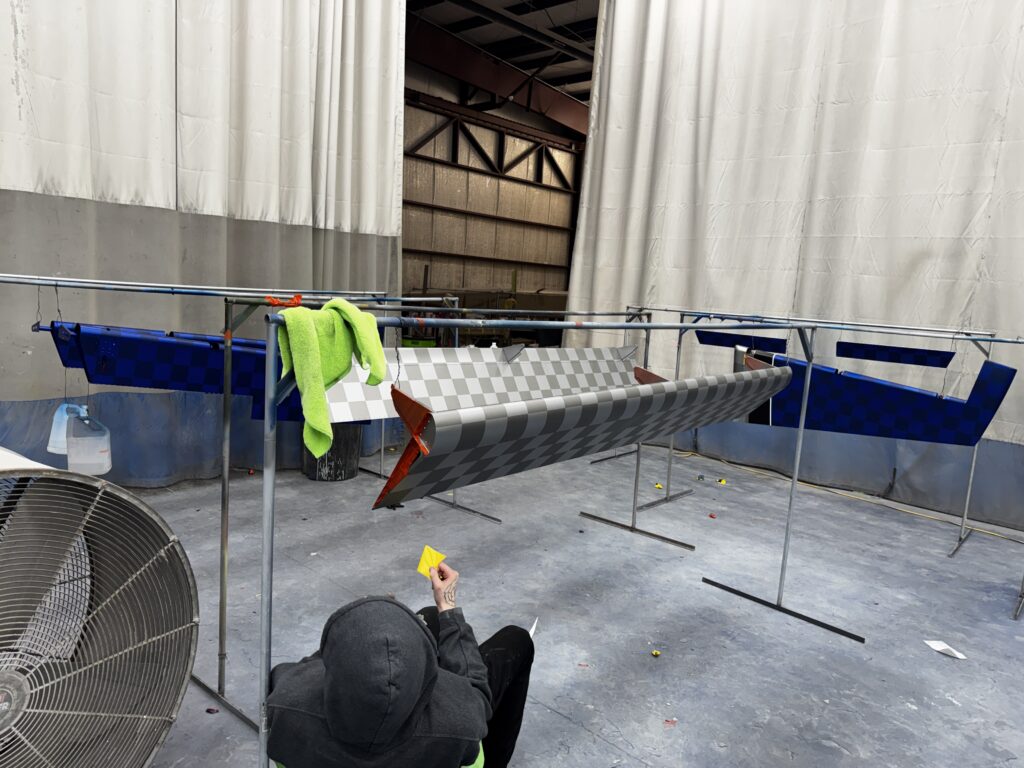
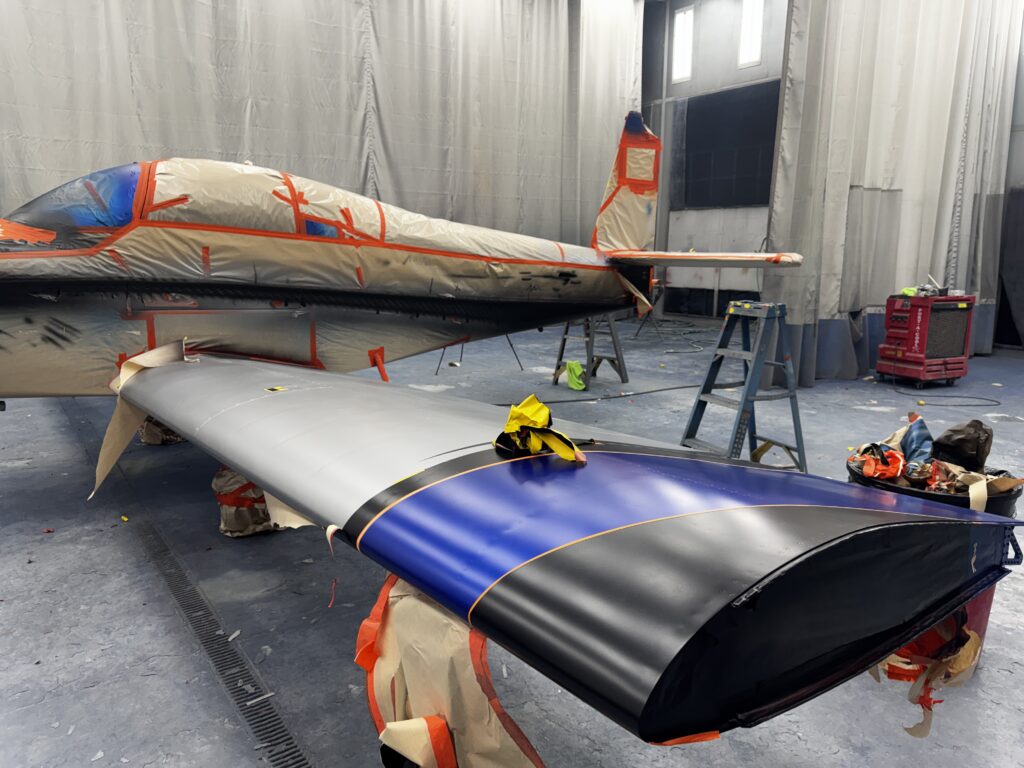
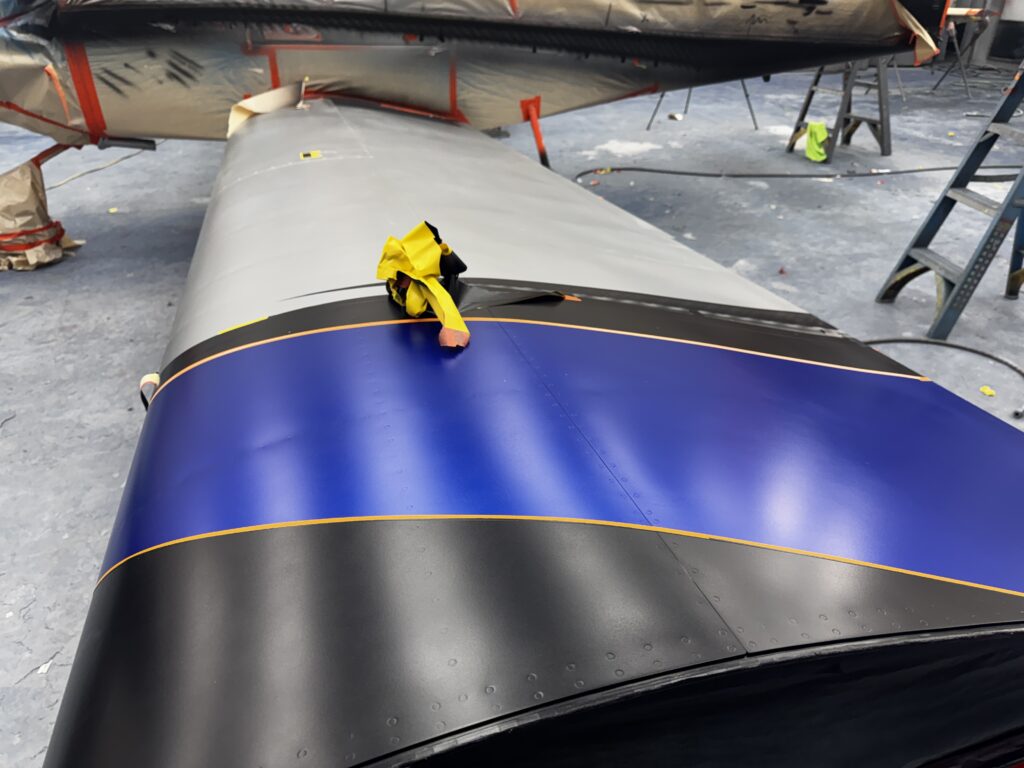
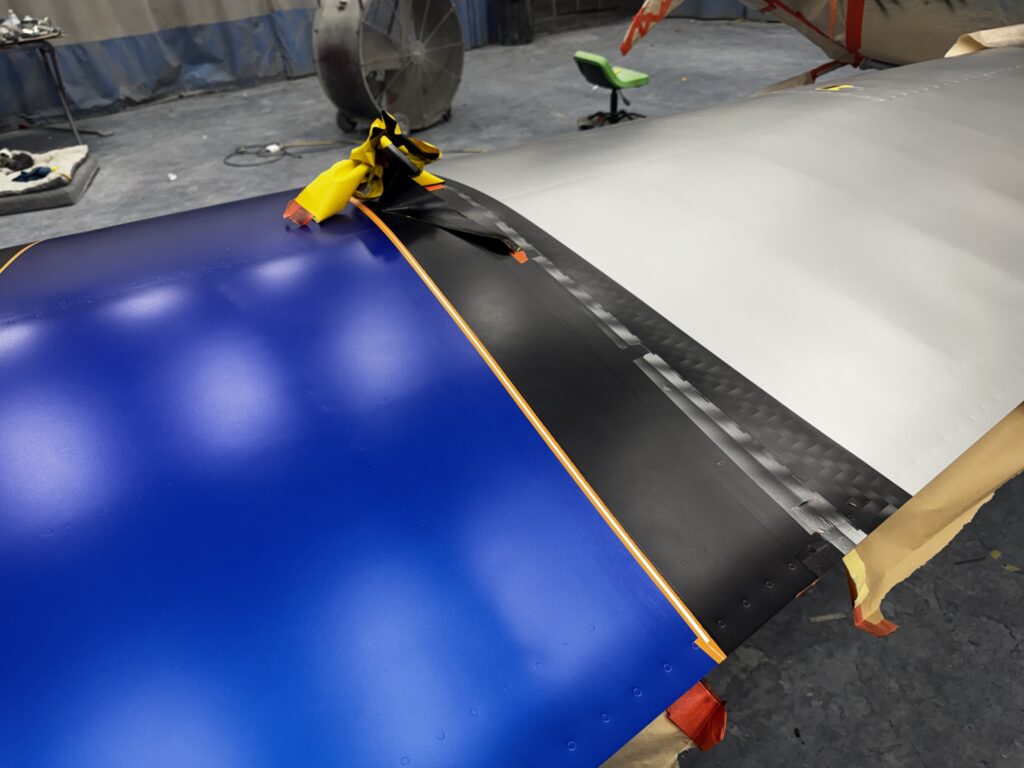
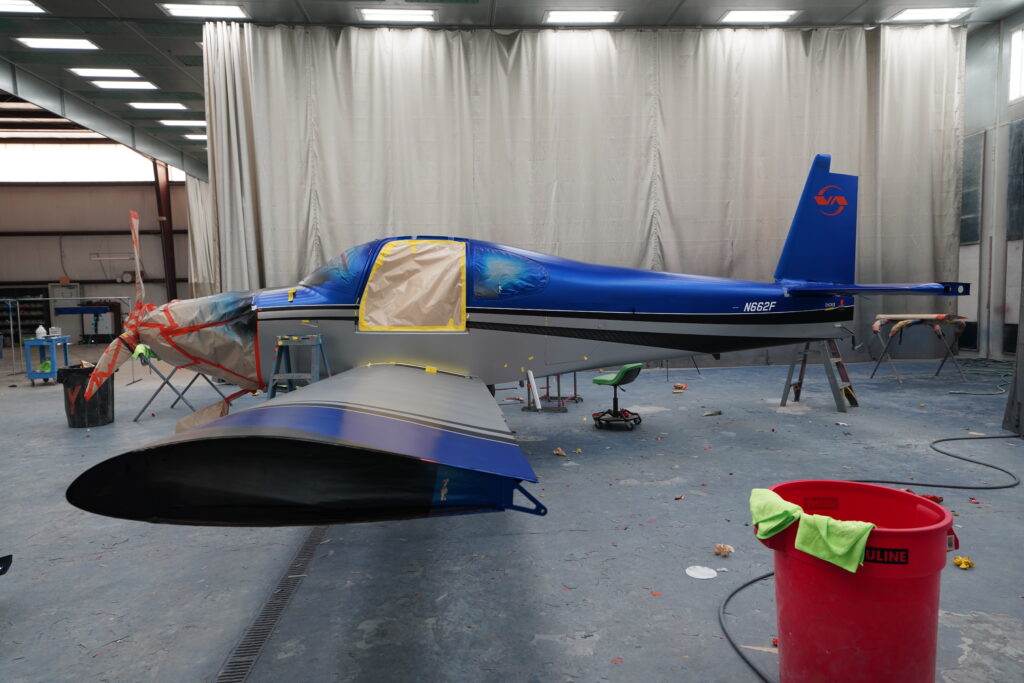
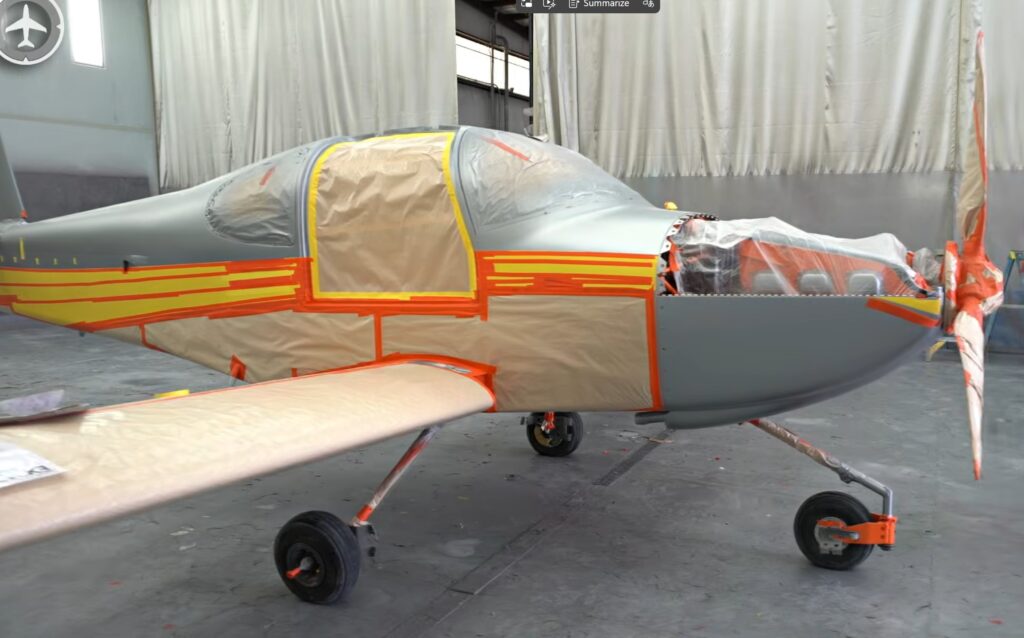
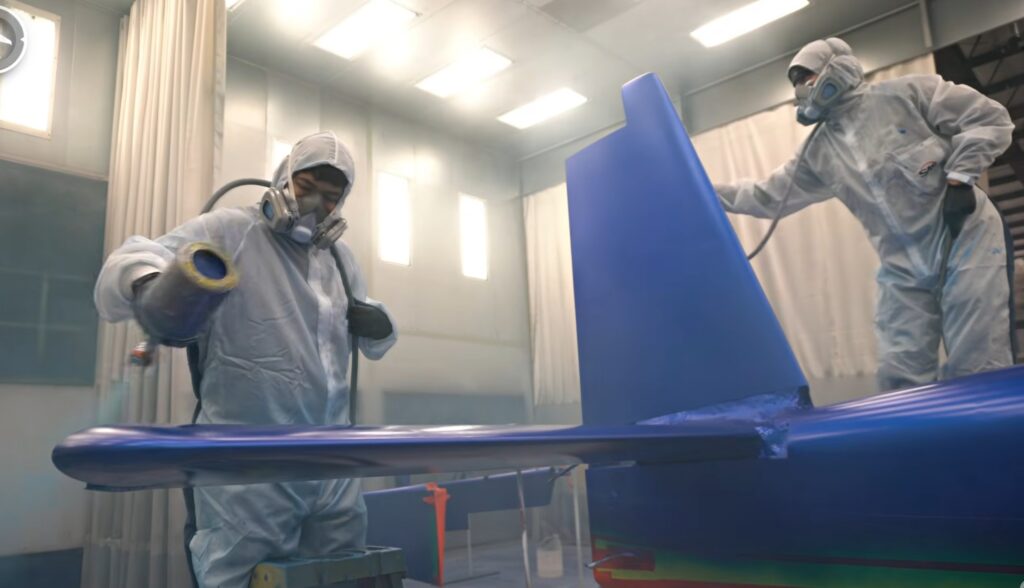
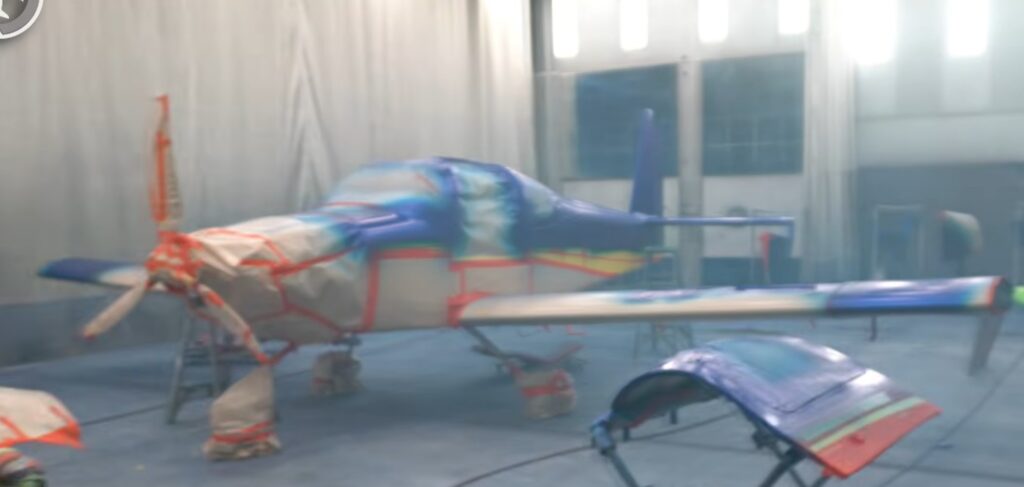
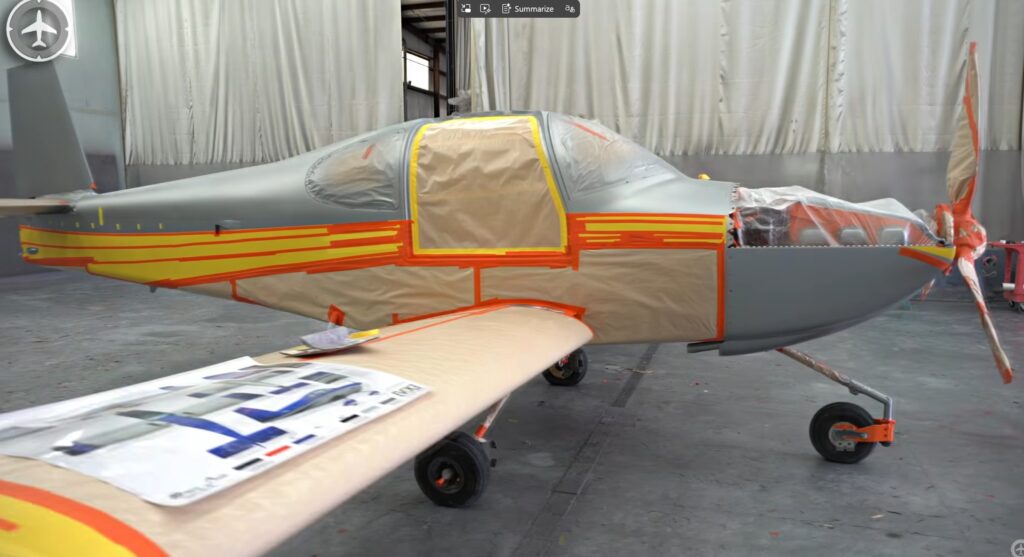
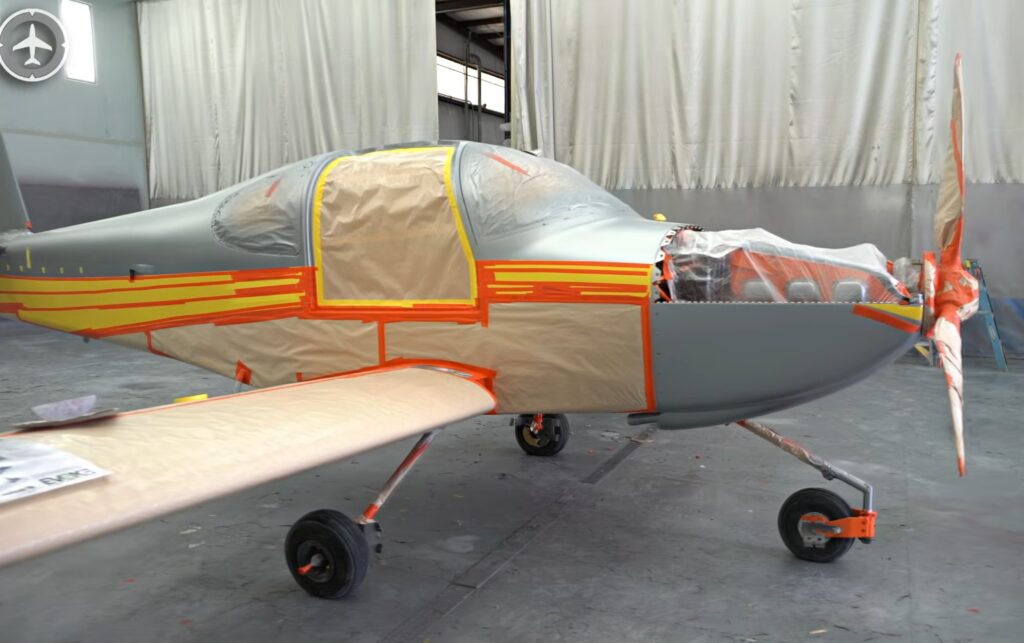
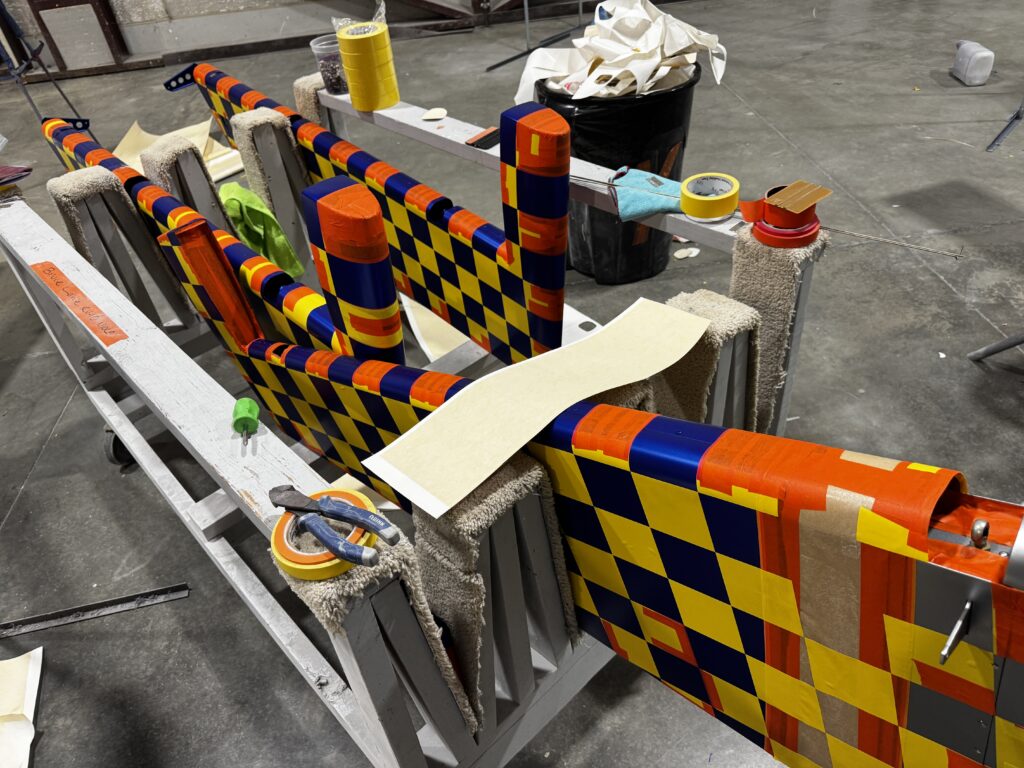
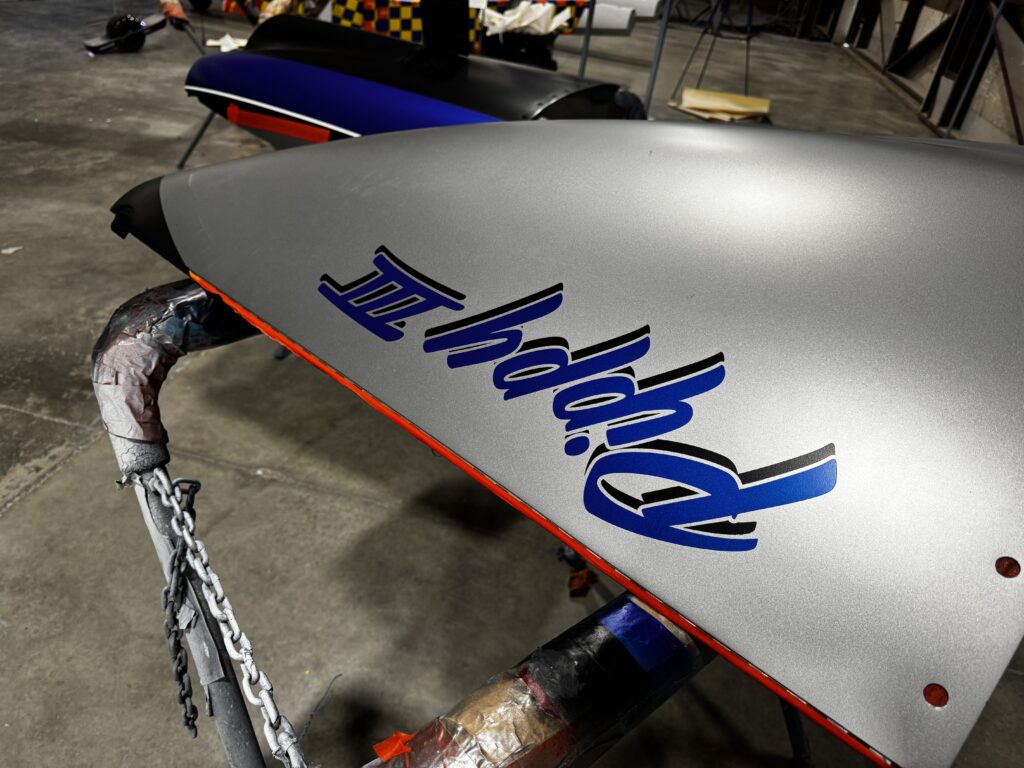
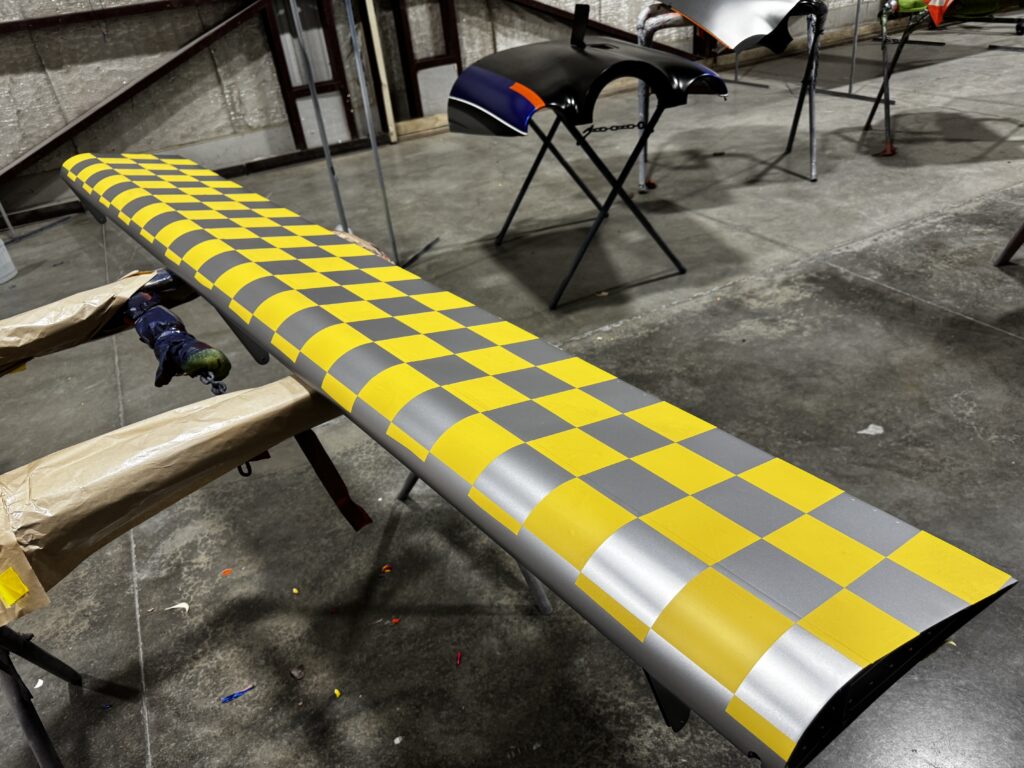
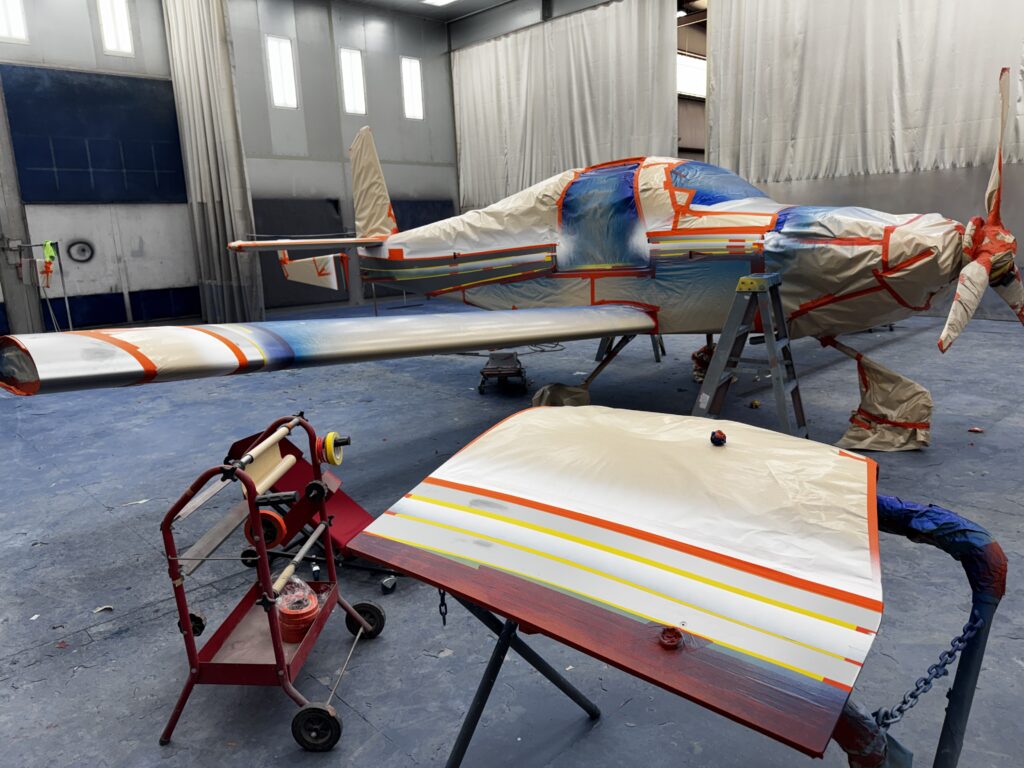
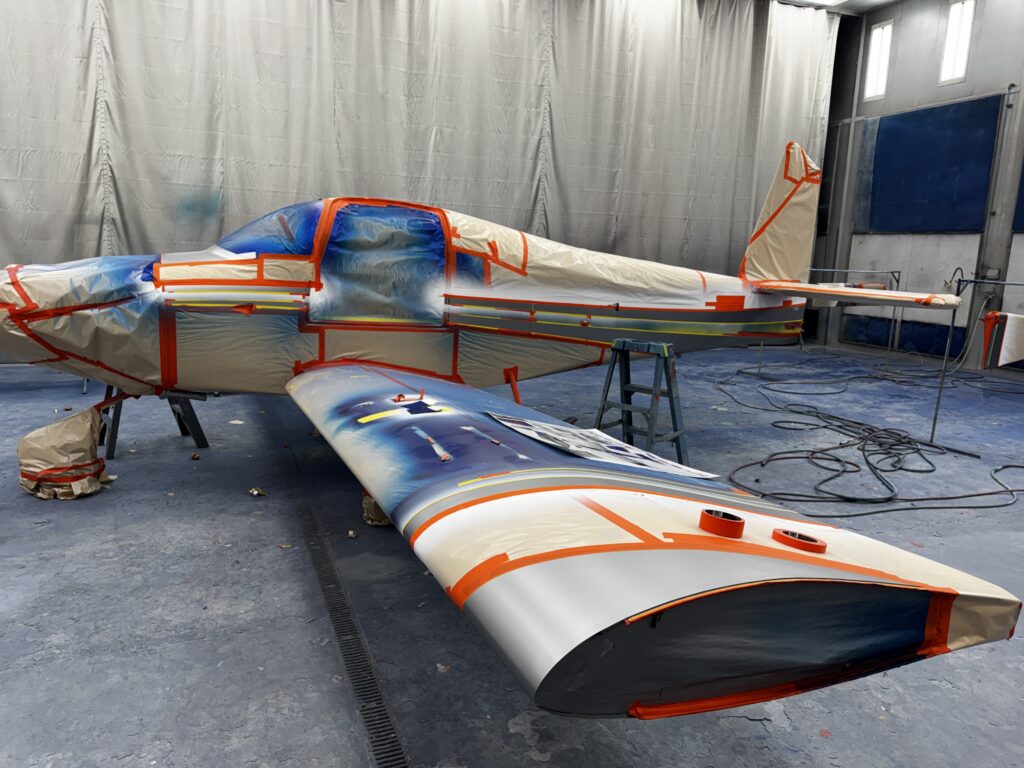
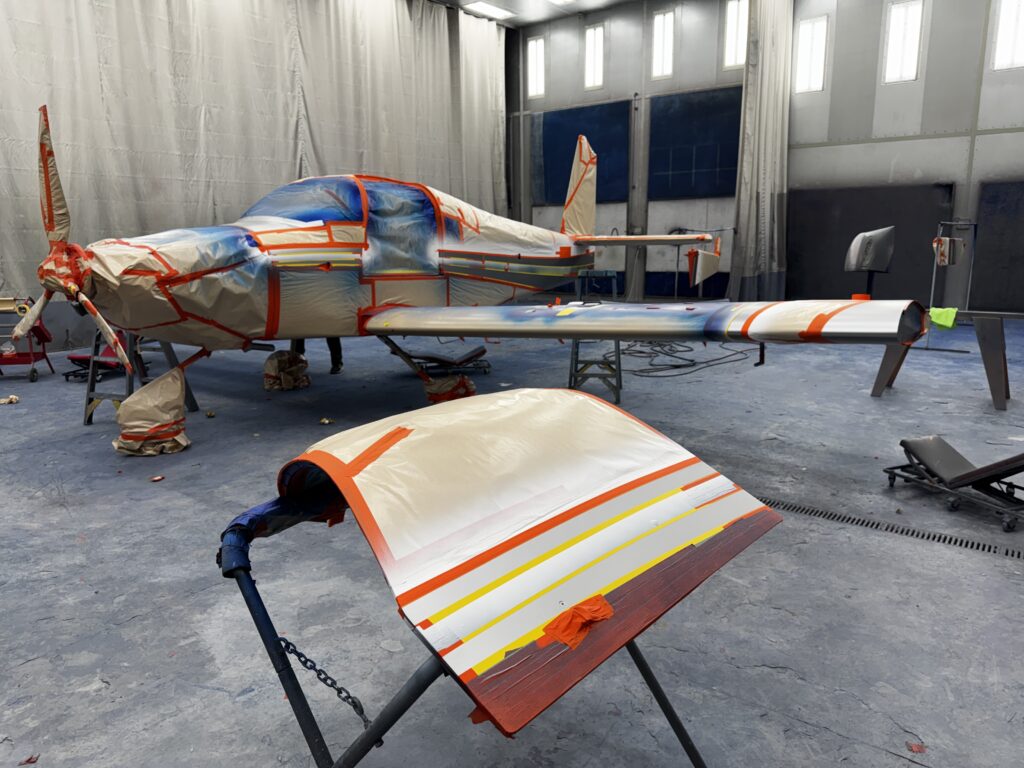
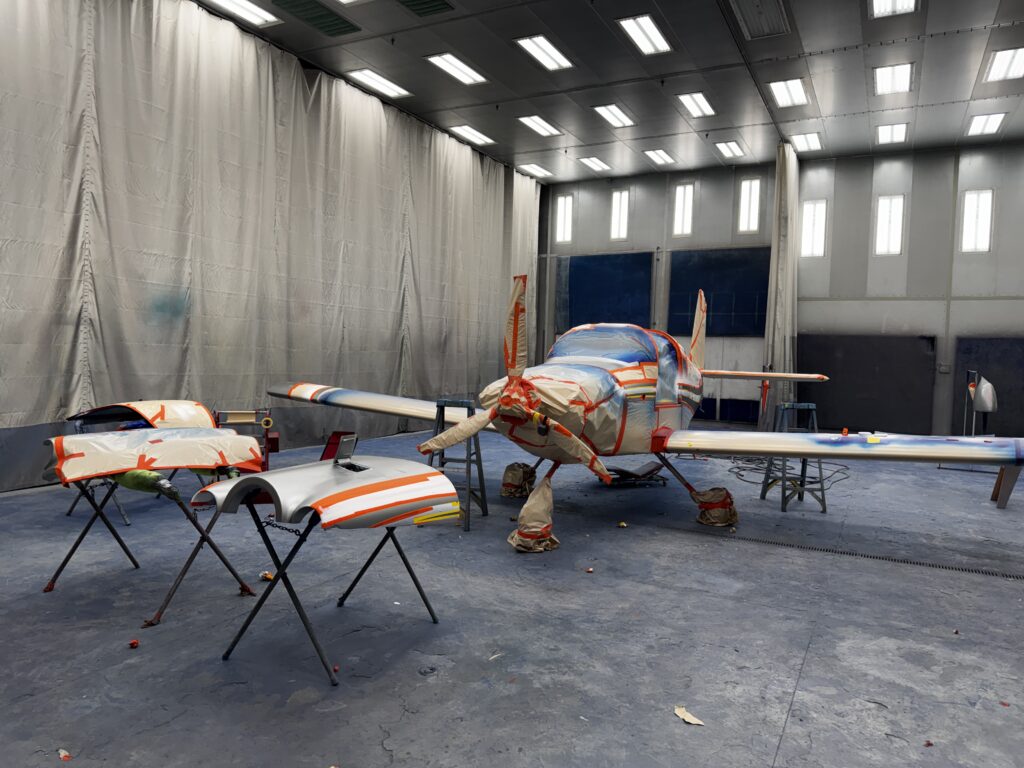
The airplane will be done at the paint shop soon. My plan is to fly it to the airshow at Lakeland, FL in April. While I didn’t build this airplane, I am planning to enter for judging at the airshow. If it were to win an award, it will be properly credited to Lester (the builder).
I wrote an e-mail to the Sun N Fun organizers to confirm that the airplane was eligible for judging since it flew before last year’s show. They said that there is no requirement that the airplane be “new” to be eligible.
I really don’t know if it is award worthy, but I know it is an extremely good build. With an Evoke paint job, it will be one of the nicest RV builds I have ever seen. Stay tuned.
When I decided to sell my RV-14A in early 2025, the buyer and I agreed that I would keep the N662F tail number and he would change the airplane to N662E. When (if) I bought a new plane I would change its N Number to N662F. The reasoning was that I owned the domain name 662Fox.com, and had the g-mail alias 662Fox@gmail.com. Even the license plate on one of my cars was 662Fox.
How hard could it be to make a simple swap of N numbers?
Well, the answer is that the FAA found a way to make it a torturous ordeal. It would take about six months and dozens of phone calls and e-mails. I sent them about $70 (it should have cost $20, but they beat an extra $50 out of me just to keep the process moving forward).
First, I had to reserve the new N Number for my old plane (N662E) — that was $10. Then they said I had to request it be transferred to the new owner — $10. Then they said the new owner had to request it –$10. Then I had to request the old number (N662F) –$10. Then I had to release the existing number on my new plane (N10LP) –$10. I actually sent them $10 a couple more times because they said they weren’t sure that another agent would see the previous payments and would reject my request.
This sounds like it should take a solid two weeks — but it took six months. Every transaction has to be processed which takes about 30 days. Not to worry though, the FAA has a new portal that you can use to do this online. Except it doesn’t really work and the agents will tell you they hate it even more than I do.
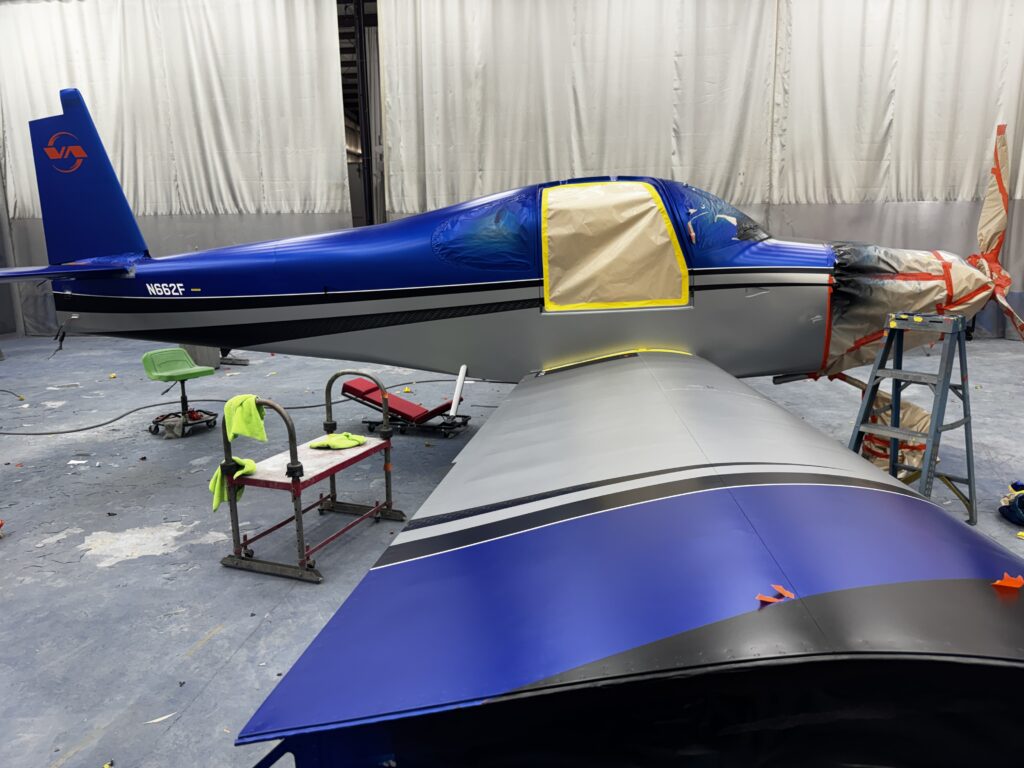
So, it has now been nine months. The transfer is mostly approved. The only step left is to have the local FSDO approve my new air worthiness certificate that shows the new N number. This is done by one guy who works remotely and takes two to three weeks to reply to e-mails.
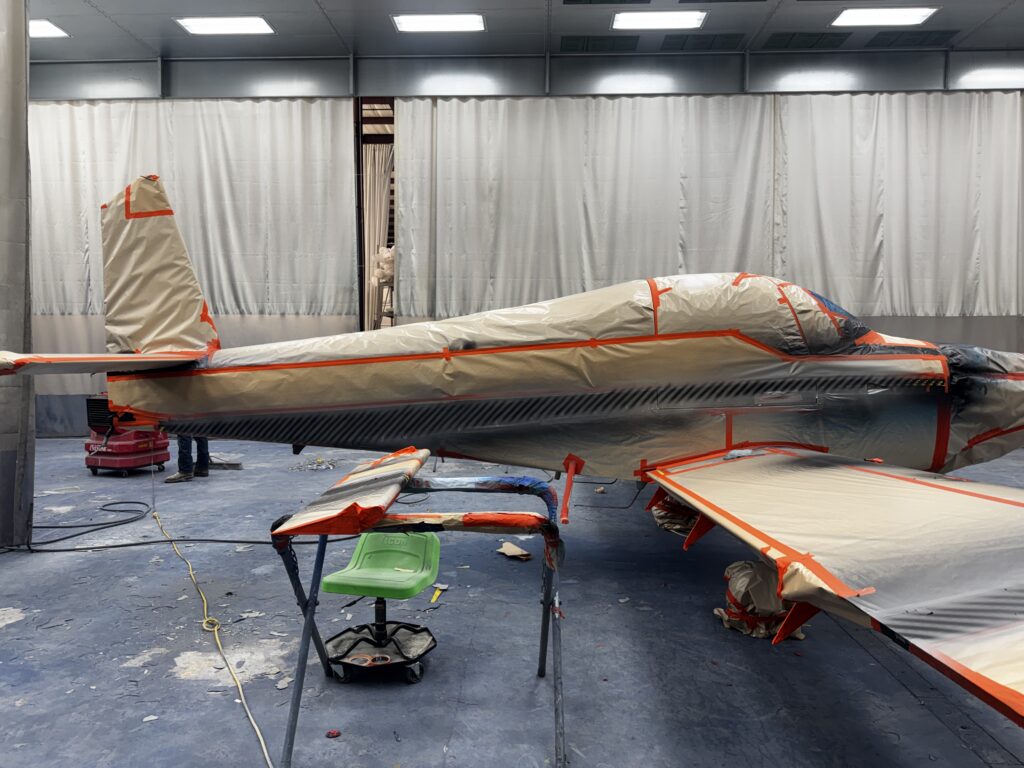
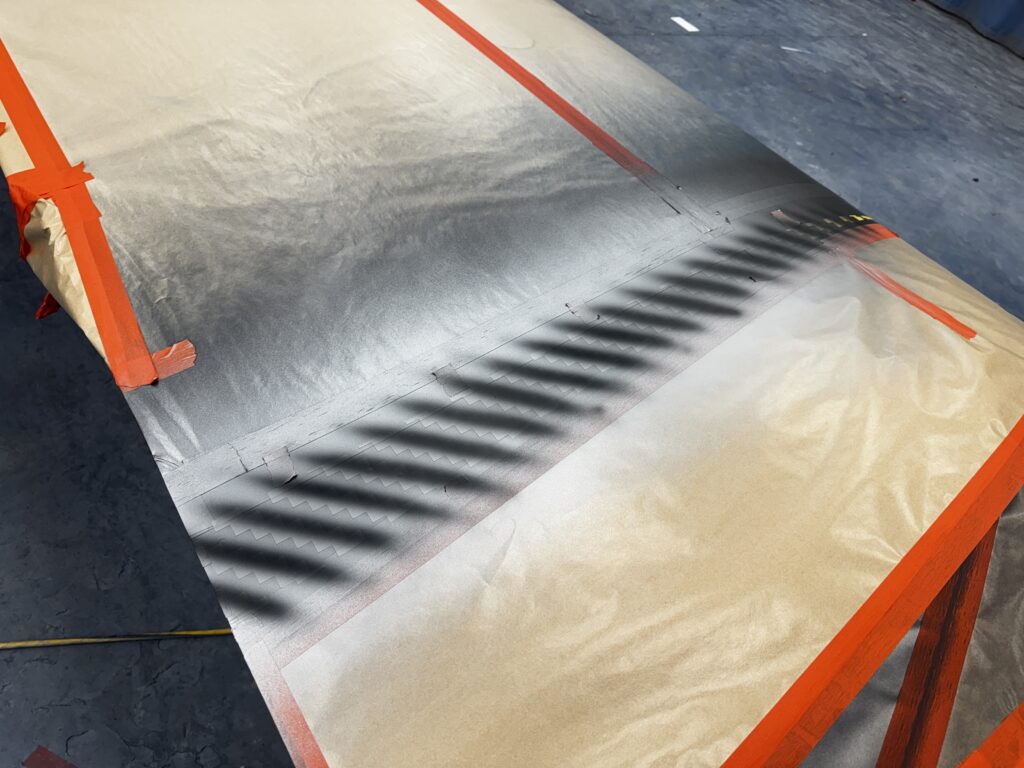
I spoke to Jonathan McCormick from Evoke. He told me that the airplane was moving from the body shop to the paint booth this week. He expected the painting to take 4 to 5 weeks!
The RV-14A had a two screen G3X system with the GTN-650xi navigator. The autopilot was the GFC-500. It is an amazing system that I came to really love during the three plus years I flew with it. Fantastic capabilities and a modern user friendly interface.
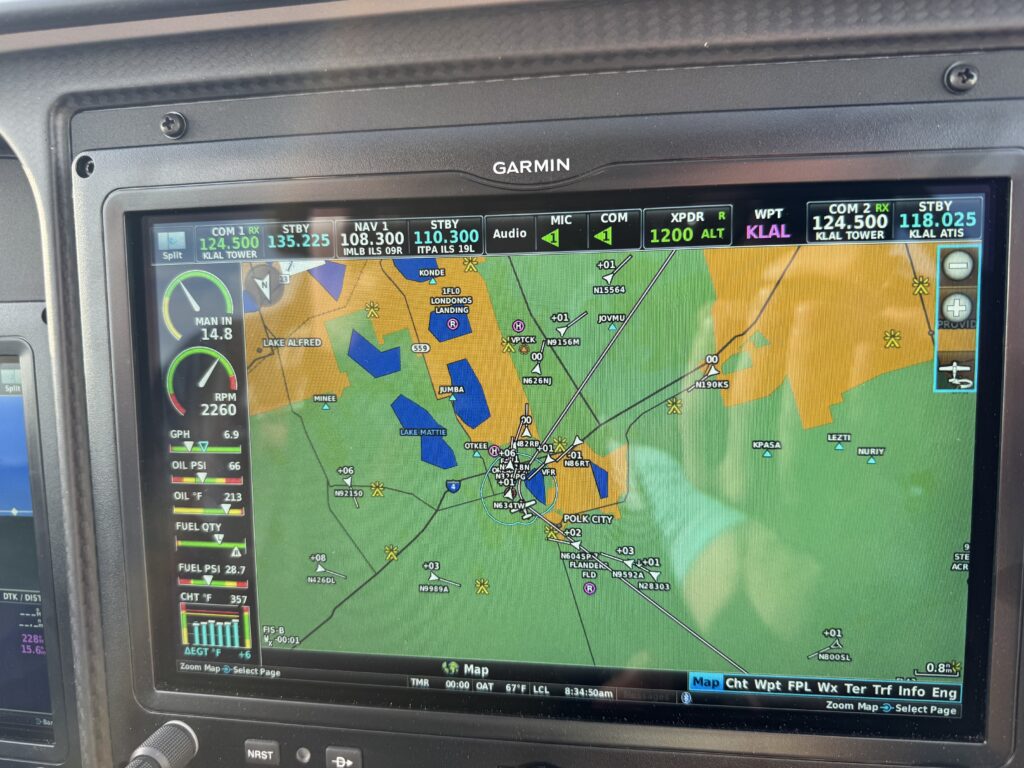
The RV-10 has a three screen G3X system with the same navigator and autopilot.
I have a couple hundred flight hours with the certified Garmin G-1000. It is clunky and un-user-friendly. Lots of ways to get lost in the interface. Several inconsistencies such as the map zoom feature which is exactly backward from the entire rest of the world. In it’s defense, it is much older than G3X. I think it first showed up around 2005. The G3X came out in 2014 (I think).
I briefly toyed with the idea of buying a recent vintage Cirrus SR-22, but the cost, on-going maintenance costs and the G-1000 avionics made buying the RV-10 a much better choice.
There have been rumors that some follow-on to the G3X was in the works but Garmin is not saying anything. The G3X is still remarkably good after eleven years. Of course, I would buy the newest thing if it is drop-in replaceable but that is just because I am a tech nerd.
There are only two very minor issues with the panel in the RV-10:
There is not enough lighting down low to illuminate the switches. I plan to fix this with a row of blue LEDs mounted under the lip of the upper dash (idea stolen directly from Jon Mulder).
The flaps control is on the panel rather than on the stick where it belongs. I don’t plan to fix that one.
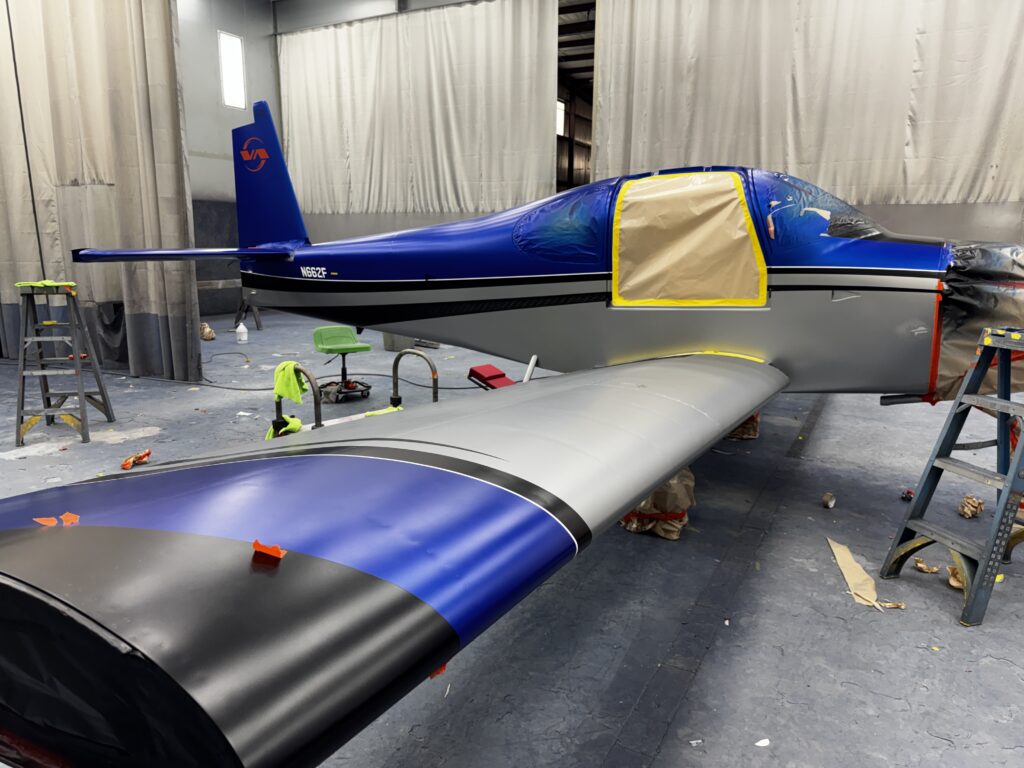
Before I had even bought the new airplane, I knew where I would want to have it painted. My RV-14A was painted by Evoke in Gadsden, AL back in 2021. They did a magnificent job. I definitely wanted this new plane to get the same treatment. The only problem is that they have a two year waiting list.
I reached out to Jonathan McCormick at Evoke hoping to get a little sooner spot since I was a two time customer. Turns out that Lester had already reserved a spot for the fall of 2025 and I could keep that spot. Woo hoo!
I won’t sugar coat it, Evoke costs a lot of money and is not fast. Having said that, there is no doubt in my mind that they are totally worth every penny and the long wait. They are meticulous in their prep work and are true artists with paint. There is a reason that the planes they paint win awards at the big airshows (Osh Kosh and Sun n Fun) every year.
Besides the great results that they create there is another reason why I would never take my airplane to any other paint shop: Customer Service. I got to work with Autumn Baugh who is one of their very talented designers. She offered lots of suggestions and even was willing to tell me when one of my ideas wouldn’t look good. She sent me countless revisions and made all the tiny changes I asked for. When it was time to take the plane to Alabama, I got to meet with her and Jonathan and review everything. We had a great lunch at Local Joe’s BBQ. Jonathan commented that my new plane was one of the best RV-10 builds he had ever seen (I wonder if he says that to every customer).
BTW, Evoke has a YouTube channel and they do some really cool videos that document what it takes to paint airplanes. Check it out: https://www.youtube.com/@EvokeAviation
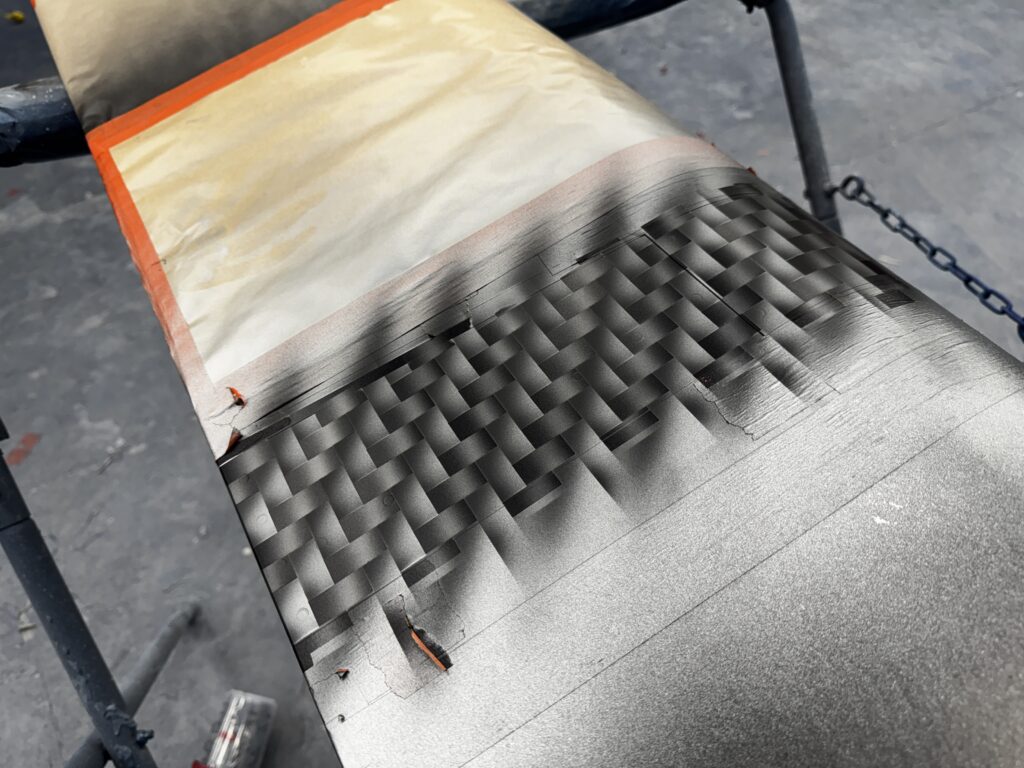
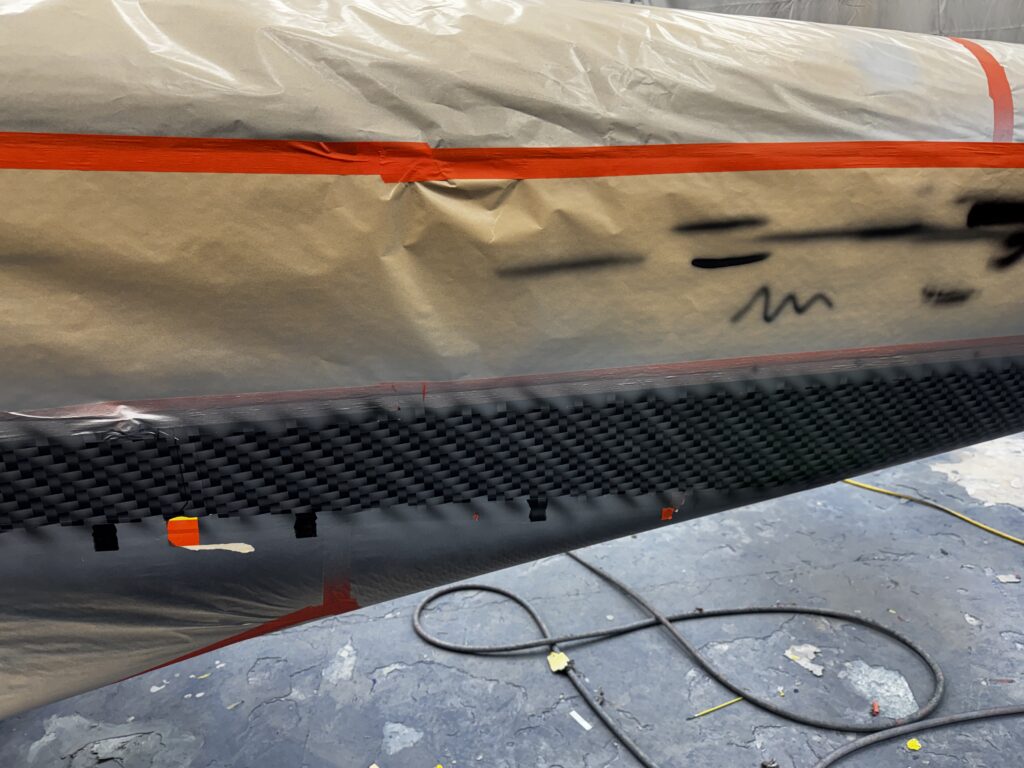
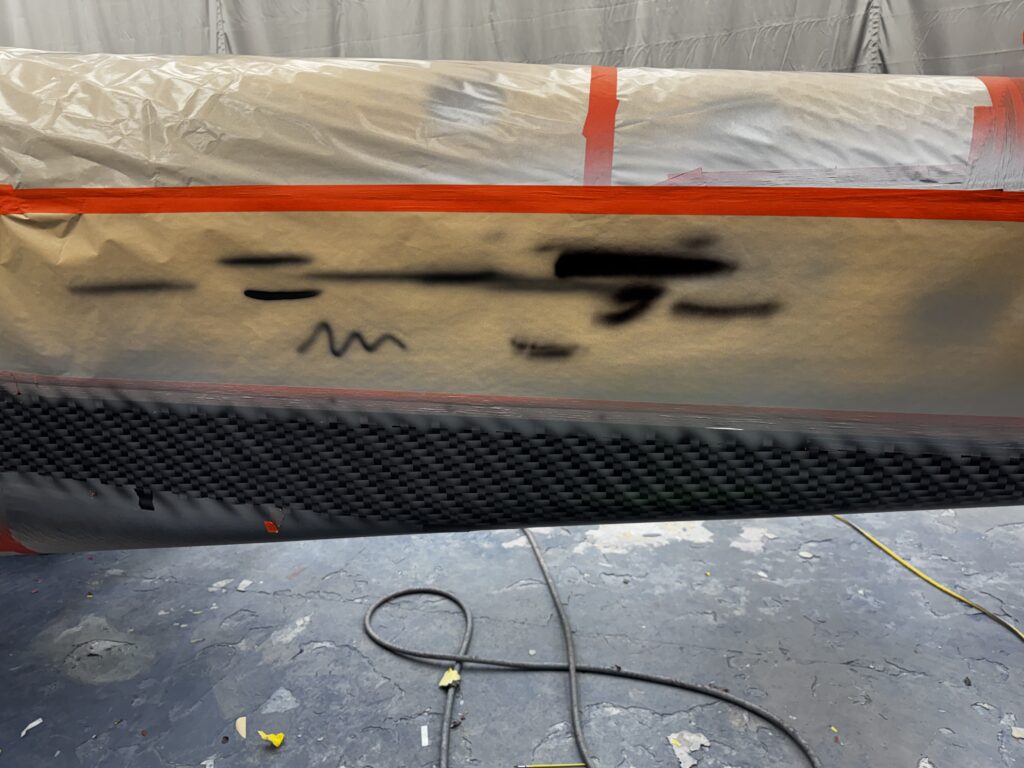
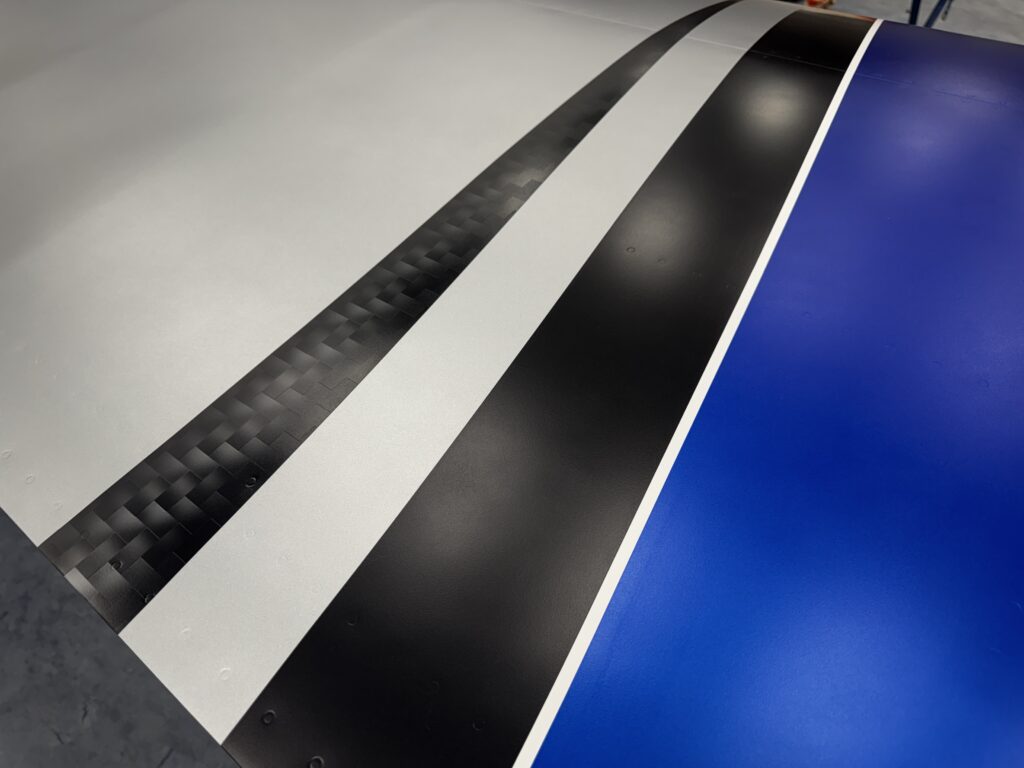
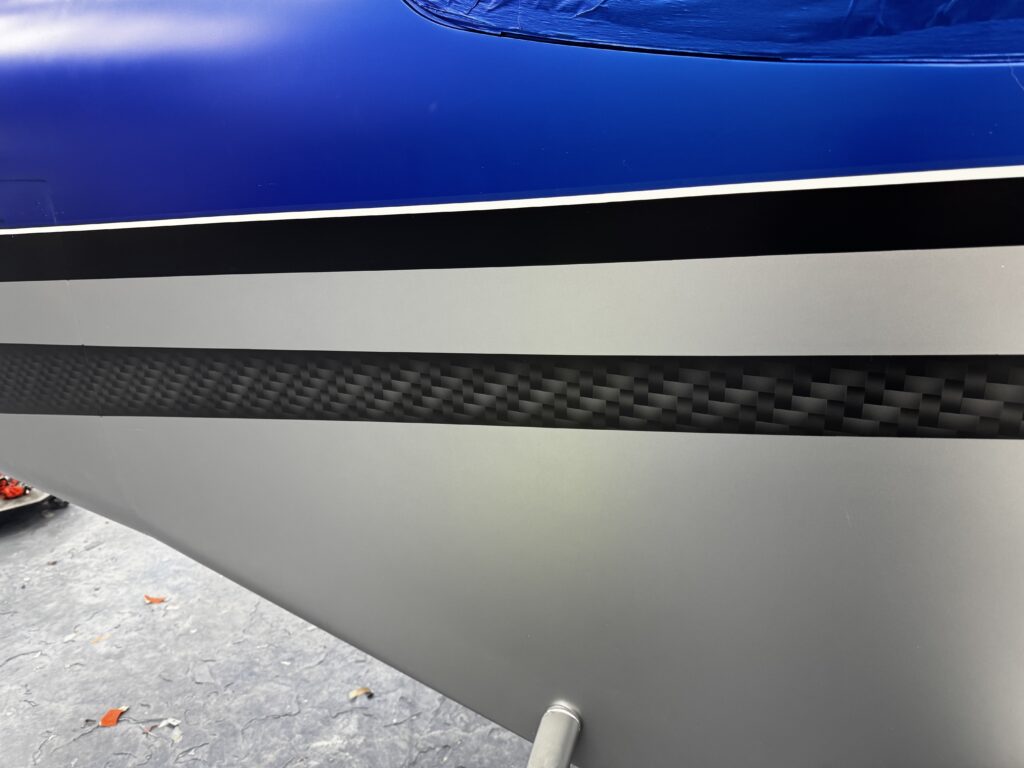
Here are pictures of the airplane in Gadsden (Sept 2025). I expect it to be ready by February 2026.
Local Joe’s BBQ is really good.
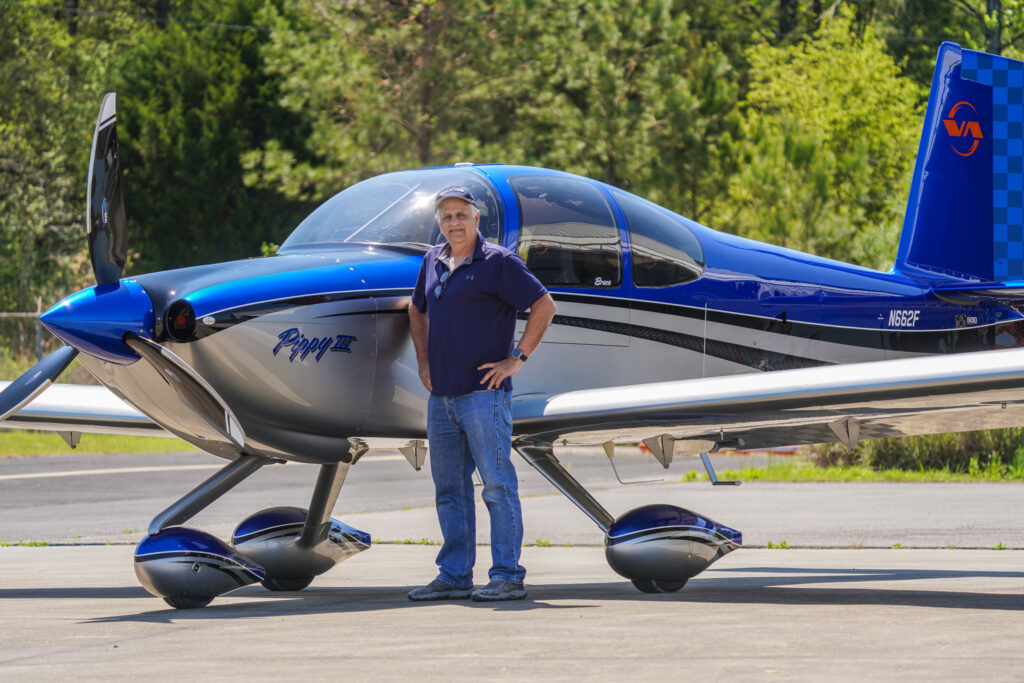
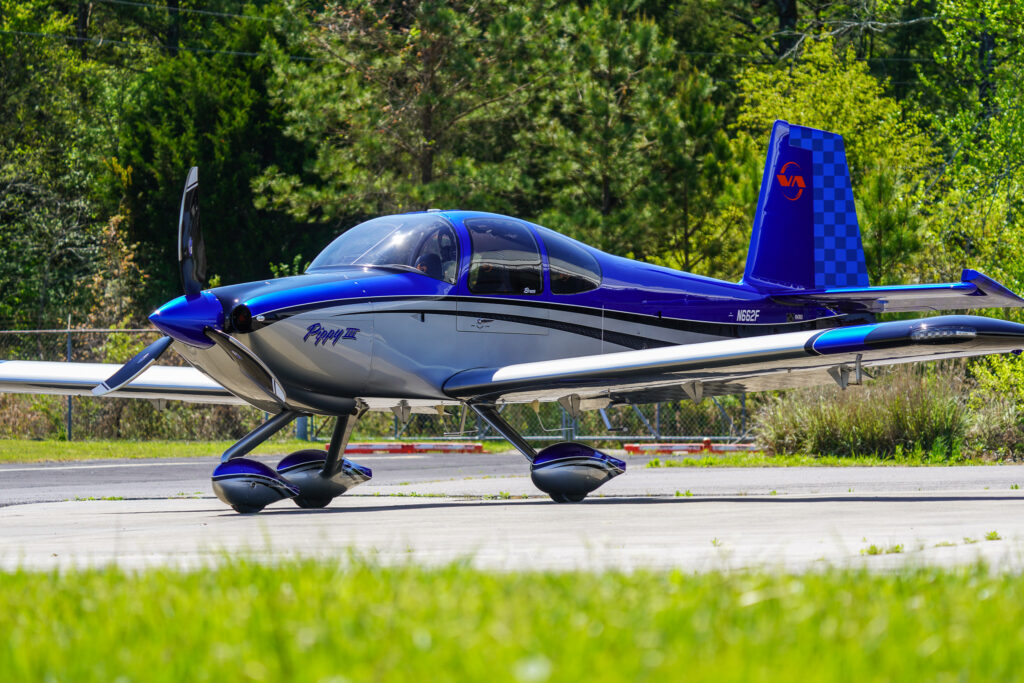
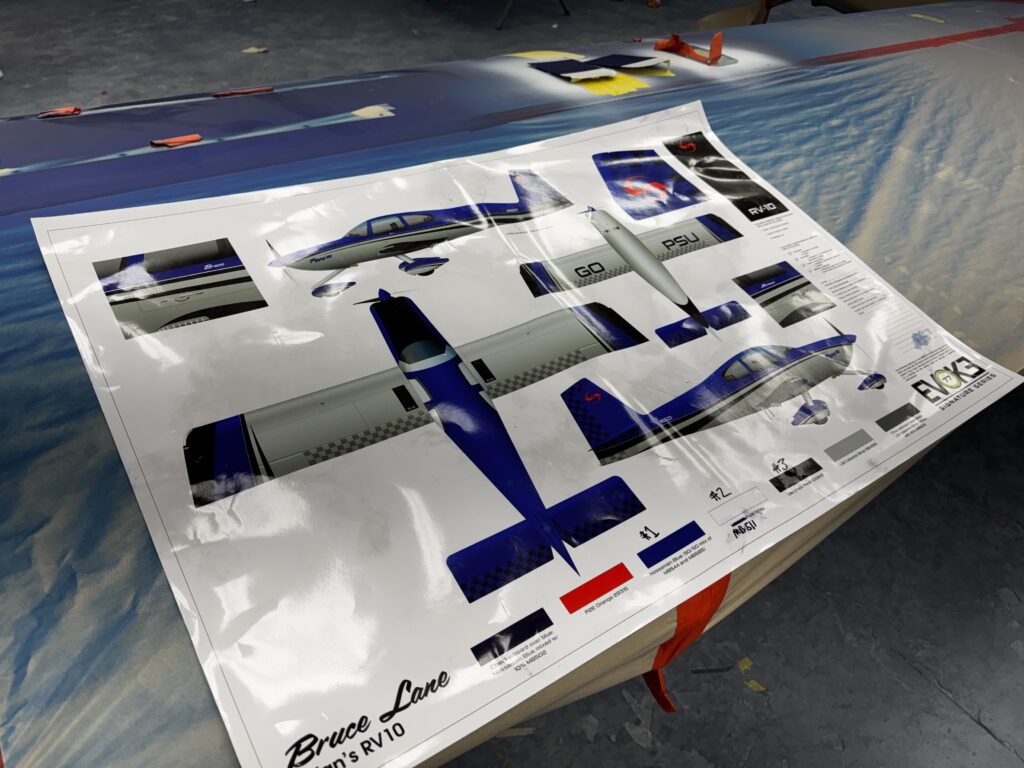
In case you are wondering what the paint job will look like…
I asked them to use the same colors and scheme that they used on my RV-14A. I made a few very minor changes but it will look almost exactly like my old airplane. While perhaps not as edgy as some of the designs they have done, I really like the classic under-stated design.
The builder is Lester Merrill based out of Marion, Kentucky. I met him through a mutual friend (Jon Mulder) who is also an airplane builder. Jon who was based out of Clarksville, TN, was also building an RV-10. He and Lester lived an hour apart by car so they helped each other on their airplane projects.
Jon and I have been friends for several years. I often described him as the most detail-oriented guy I had ever met. One day he called me and said that if I thought he was detail-oriented, I had to meet Lester who he said was without a doubt the most detail OCD person he had ever met. Seemed a bit hard to believe coming from Jon.
One day, I decided to fly to TN to visit Jon and check out his RV-10 build. He suggested I take a look at Lester’s airplane which had recently had its first flight. Seemed innocent enough. At this point, I wasn’t really shopping for an airplane…
The airplane was stunning in both the quality of build and the attention to fine details. For example, the doors on most RV-10s are usually a bit rough and don’t always have the best fit. Lester spent untold hours on the doors to make them perfect.
Lester had spared no expense and had used the collective wisdom of dozens of previous RV-10 builders to create the ultimate RV-10. I had already owned an RV-10 (2007-2015) and had flown it for close to 800 hours. This airplane made that one look blah by comparison. I complimented Lester on his fine build but still didn’t really think I would own it someday.
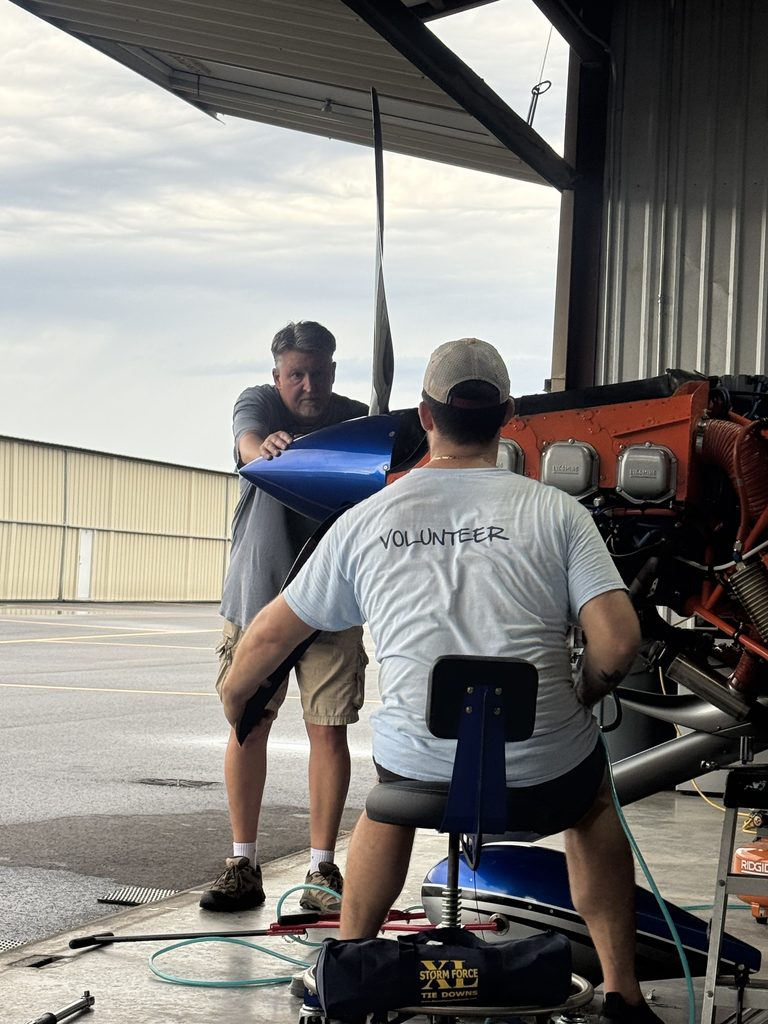
Here are a few pictures of the airplane during construction.
He and I took a brief flight together and it brought back memories of my old RV-10. Over the next few weeks, Lester and I began talking about me buying it from him. We haggled over price but ultimately agreed to do the deal in early May 2025.
Here are a few photos from the day a friend and I drove to KY to pick up the airplane.
He said that if I bought his airplane he would immediately start building a new and even better one. Yeah, right. I figured he was just saying that to get me to buy his plane, but I can confirm that he is already building the tail of his next RV-10.
The RV-14A is an almost perfect airplane. I loved everything about it. It was fun and (reasonably) easy to build. It is a joy to fly. So WHY did I sell it you may ask.
The answer is pretty simple. It was worth significantly more than I had spent to build it. I had several offers to buy it and I took one. I really liked the gentleman that bought it and we have kept in touch since he bought it in May 2025. We even had dinner together at Osh Kosh. He told me that he absolutely loved the RV-14A. He said that his favorite things about it were that it did many of the things that his Bonanza did, was just as fast and way cheaper to own. By the way, he was the president of the American Bonanza Society.
As part of the sale of the airplane, we agreed that I could keep the N662F tail number and he would change the airplane to N662E. I will have a whole post on how difficult that was to do (mostly due to the incredibly obtuse and inefficient paperwork system that the FAA has created).
I flew about 300 hours in the RV-14A over a bit shy of four years. Let me repeat: it is a great airplane. So great that I convinced a good friend to start building one.
Within weeks of selling my RV-14A, I agreed to buy a brand new RV-10 from the builder in Kentucky. Most of my posts moving forward will be about the RV-10 which will have the same N662F tail number.
I flew two long cross-country flights (and lots of shorter ones):
Richmond (KFCI) to Chicago, IL (KPWK)
Richmond (KFCI) to Hopkinsville, KY (KHVC).
Had a fantastic tailwind on the return flight from KY:
I got my CFI rating using my RV-14A for my check ride.
I got my CFII rating using my RV-14A for my check ride.
This probably isn’t the easiest way to accomplish those goals because some DPEs don’t want to fly in airplanes they are not familiar with. Luckily, I convinced two different DPEs to fly with me. Of the two, I would say that the CFII was the one I was most worried about (many people say the opposite). I think there are so many ways to bust the CFII check ride (get low, off course, bad radio work, etc. etc.). Somehow, I didn’t do any of those three but I did nearly fail because I didn’t know that I still needed to carry my commercial license with me when I have my CFI license. It actually says that right on the back of the CFI license, but I was blissfully unaware. The DPE actually let me call home and have my wife send him a copy of my commercial license (which was sitting in my top desk drawer).
I fixed a couple small things recently. The red LED cockpit lights used to occasionally blink. I didn’t use them often so I just ignored the issue. I recently tracked the issue to a loose connection in the switch/dimmer. It only took a few moments with a tiny screwdriver and the issue was gone.
I had an intermittent issue with the oil pressure sensor. Very occasionally, I would get the dreaded red x on the G3X MFD for oil pressure. I knew that it wasn’t really an oil pressure problem (no CHT issues, engine ran fine). Annoying as heck though. My first thought was it was a bad wire from the sensor to the Garmin GEA 24. I checked the wire multiple times but couldn’t find the issue. Turns out that I had an earlier version of the pressure transducer that had known reliability issues. Thanks to my friend (Jon) that happened to know that little tidbit of information. $300 and fifteen minutes of labor and I had the improved version 2 of the sensor installed and my problem is gone. 🙂
The last one is a bit more complex. I noticed that my Garmin autopilot in HDG mode would overshoot a turn to the right. For example, if I was on a heading of 180 and I commanded a turn to 270, it would go to 280 and then work it’s way back to 270. The auto roll trim would be pegged to the right too. I thought it was an issue with the roll servo or the Ray Allen trim servo. Turns out it was a setting in the G3X was backward. When the autopilot was calling for right roll trim, it was actually adding left roll trim. This would cause the autopilot to ask for even more trim. This would continue until it had commanded all the trim that was available. A talk with the guys at Steinair solved the problem. They had seen this type of issue before and had me make a single change in the configuration and the problem is completely gone.
BTW, I love the G3X system. Garmin has packed a huge amount of capability into the system and they continue to provide substantial updates to it.